
Ohio’s alternative performers are shaking up the drag scene
Across Ohio, drag performers are defying traditional ideas about drag, pushing boundaries and asking: “What can drag be?”
It’s a little before midnight on a Thursday.
Down a flight of brick steps and into CODA, a live music venue in Tremont, dozens of night owls are mingling and anticipatedly waiting to watch eight drag artists perform against one another in Casting Call, a monthly drag competition.
After a few performers sing along to heartfelt ballads, including Beyoncé’s rendition of “I’d Rather Go Blind” and Kate Bush’s “Babooshka,” Comatose Why — a guest performer and recent winner of the competition — takes the stage.
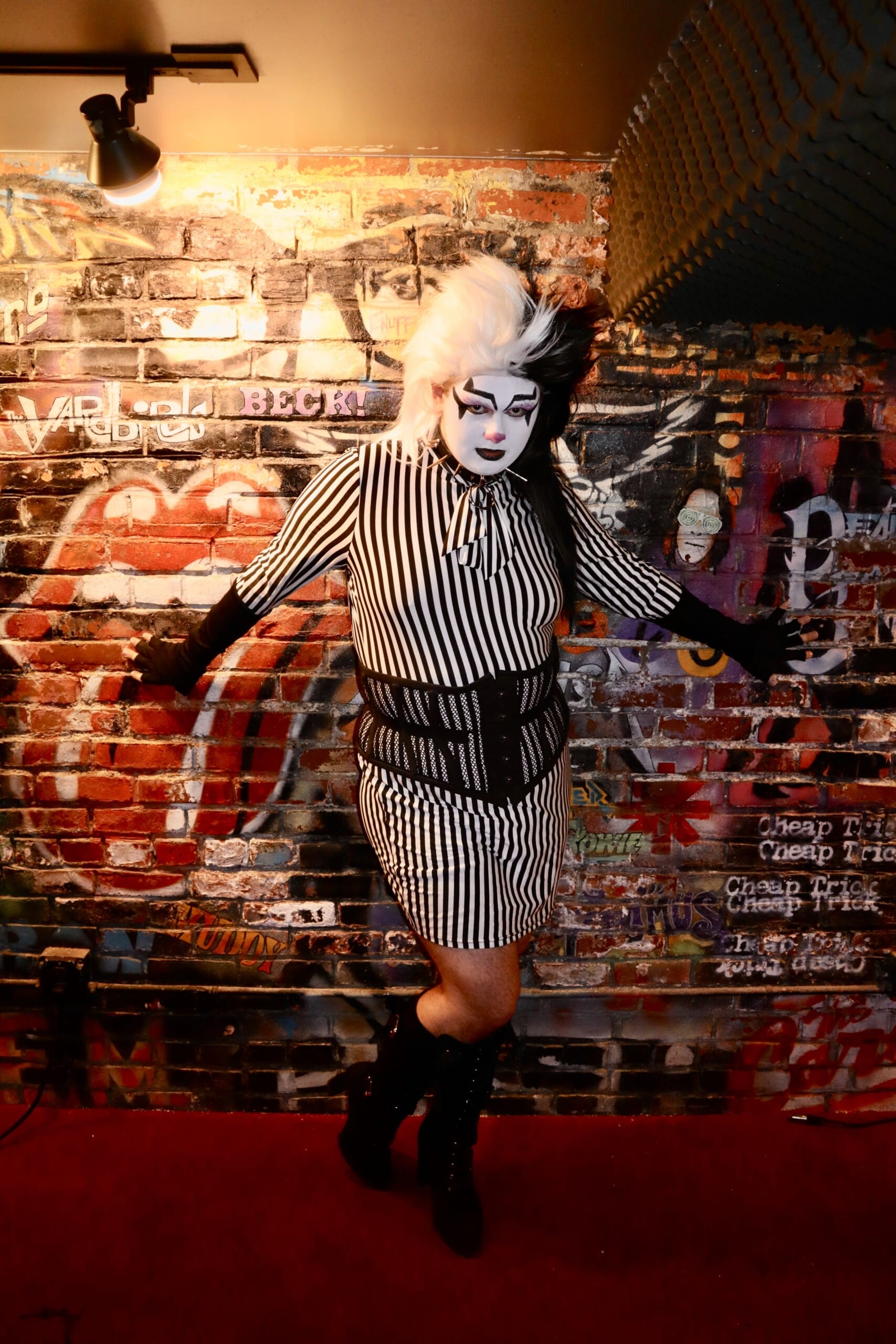
They wear a black-and-white striped dress, spiked collar, and black-and white-punk wig. Their white-painted face is offset with purple eyeshadow, black lipstick and thick black eyeliner. Their lip-syncing to lyrics like “And boy, those spicy nachos, they were hot as hell, just like you,” captivates the audience.
After collecting dollar bills from across the room, they whip out a greased-stained Taco Bell bag and retrieve a single spicy potato soft taco. They gnaw on the taco for the rest of the performance. Some onlookers are stunned, while others cheer loudly.
Watching a glammed-out performer chow down on stage can be both utterly mundane and completely mesmerizing. It’s camp. It’s exciting. It’s freeing.
Northeast Ohio alternative drag performers like Why are pushing boundaries and asking: “What can drag be?”
Free and Queer
The conventional definition of drag — the one that pops up at the top of a Google search — is “the performance of exaggerated masculinity, femininity or other forms of gender expression, usually for entertainment purposes. A drag queen is someone who performs femininity and a drag king is someone who performs masculinity.”
But this definition doesn’t account for performers like Why who use they/them pronouns and don’t exclusively identify as a king or queen. Nor does it account for all the different styles and ways a performer can express themselves and entertain an audience while transcending the gender binary.
“For a long time, my definition of a drag queen was always something big and glamorous,” Why says. “And it took like a long time for me to discover other forms of drag media to kind of open my mind to the idea of alternative drag. Alternative drag is so against the grain, and it’s so punk and different that it truly cannot be described.”
Alternative drag allows performers to express their queerness in a way that they often can’t in their everyday lives. It also frees fans to experience an evocative performance with fresh, engrossing takes on queer expression.
Anhedonia Delight, a local drag artist and the host and producer of the Grog Shop’s acclaimed alternative drag show series, GlamGore, has her own definition: “To me, alternative is unpredictable. That’s what I really think it is. … It’s in your face; it’s brash; it’s obscene. It’s offensive.”
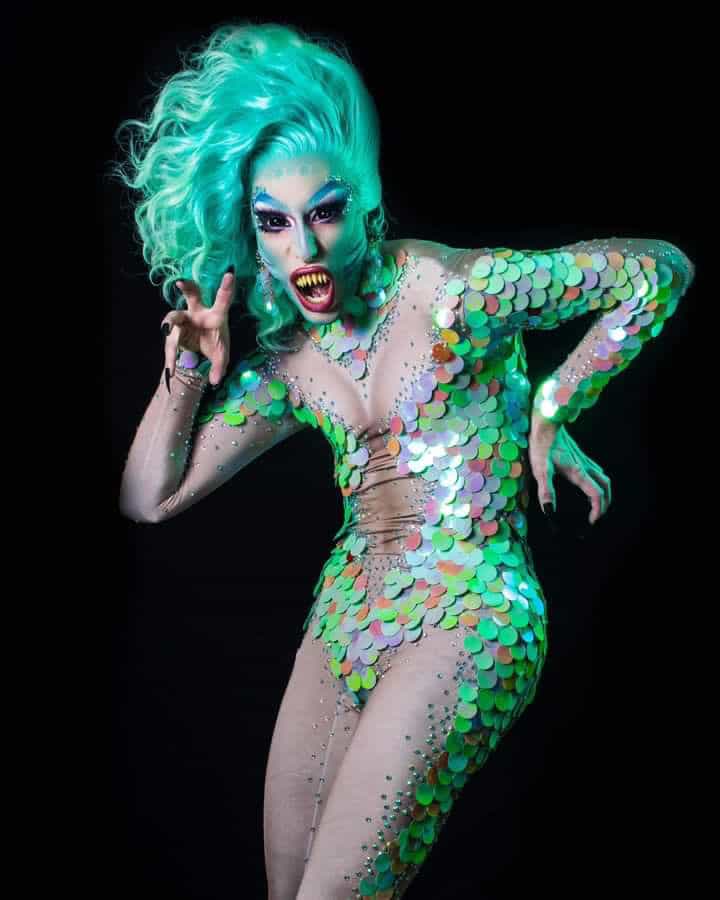
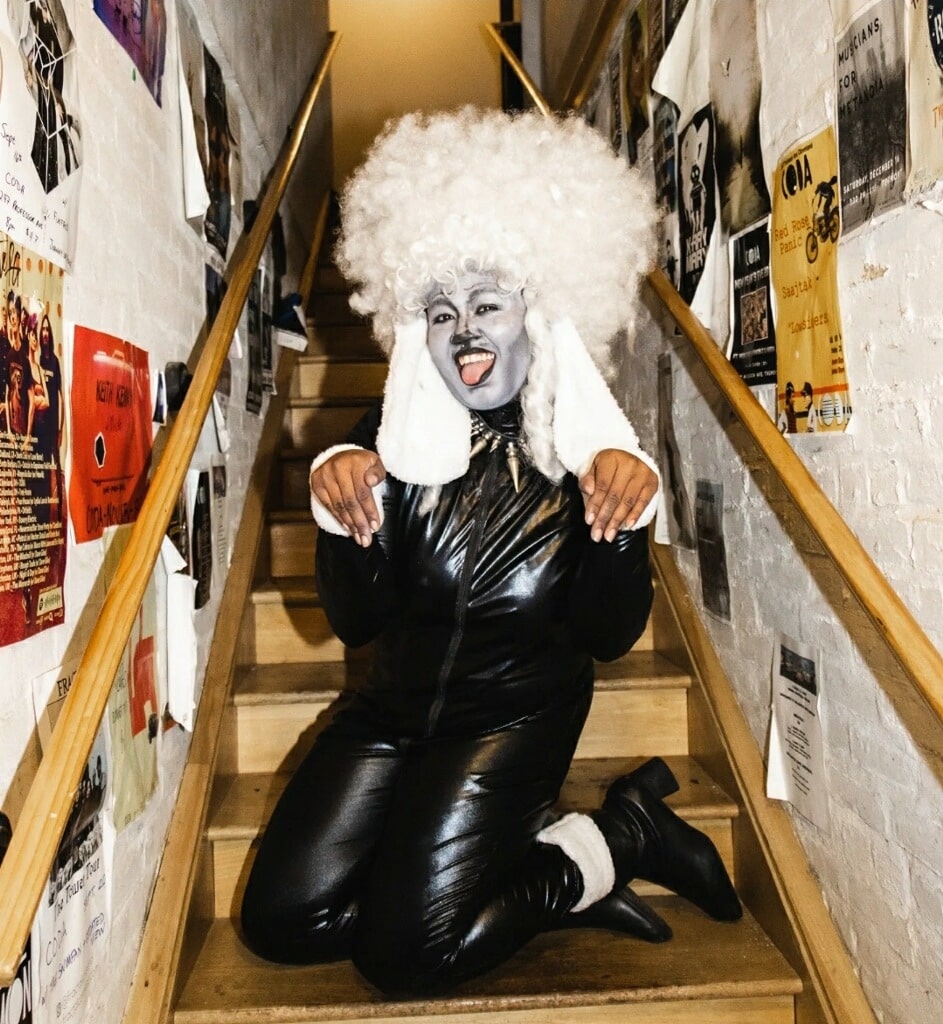
One of Delight’s most out-of-the-box performances consisted of her vomiting a green liquid into a bucket. Other performers in the alternative community have smeared themselves with cat food, eaten burgers and fried chicken in front of crowds, and dressed up as demonic creatures that ooze sex appeal. Marquis Gaylord of Thotlandia, another Casting Call winner, has performed as a possessed clown, a vampire and 17th-century royalty.
For a recent performance, Gaylord wore a bedazzled muzzle, faux leather bodysuit and tall powdered wig. With a metal leash attached to his neck, he knelt on the floor, poured red wine into a dog bowl and sipped it as a rowdy crowd cheered him on.
“Sometimes I get anxious because I’m like, ‘Oh, damn, how’s the audience gonna receive this particular performance?’” he says. “Especially because my performances can be kinda out of the box. There’s nothing worse than being in the middle of a performance. You look out into the audience, nobody is vibing with your shit and you just want to leave.”
Beyond Brunch
Nontraditional drag performances can shock some people who aren’t involved with the local drag scene or who mainly attend drag pageants or afternoon brunches. Blank stares or surprised expressions are not uncommon. It’s something Delight, Gaylord and Why have all experienced and say can be discouraging at first.
“Alternative artists definitely do not get booked as much or tipped as much,” Delight shares. “And struggle to get consistent bookings. For sure, I’ve seen it, I’ve been a part of it, [and] I’m still a part of it.”
Gaylord says they’ve seen shows label themselves as inclusive, featuring more than just traditional, glamorous drag queens, but haven’t been as comprehensive as they’d like: “There will literally be shows that they’ll advertise as being gender-expansive shows, and then there will be, like, one drag king slash one fat performer slash, you know, only one person who might actually be considered gender-expansive in terms of like the drag that they’re doing, which is really disappointing.”
A lack of representation might contribute to any rift, real or perceived, between alternative performers and the drag-loving community. Audiences struggled to understand Why’s appearance when they first started performing drag more than a year ago, at age 19.
“I was coming hard and strong in a kind of pageant-heavy scene as this nonbinary crazy clown thing,” they say. “And a lot of people were turned away from it just based on my look. Because as horrible as it sounds, looks do a lot for you in the world of drag.”
Empress Dupree, a local drag performer with a more traditional style, has noticed alternative drag artists struggling to get consistent gigs. Dupree, who often performs top 40 songs in glamorous gowns and makeup, has an easier time booking shows. “There are older show hosts and show directors that have been in this business for 10 plus years, that really are like, ‘We only know one type of drag, and that’s what we’re gonna book.’”
‘We have heart, and we have passion’
Gaylord says local drag is much different than what people see on television. There isn’t always access to glamorous, expensive outfits and hair for young, alternative performers. “We’re college students, we’re broke bitches,” they say. “We are up in thrift shops, and we’re gluing our shit together. But we have heart, and we have passion.”
Dupree agrees. “I feel like a lot of our generation now has grown up like on [RuPaul’s] Drag Race and hasn’t really educated themselves on anything different. So they’re coming to see, you know, like I said, more traditional, RuPaul style drag.”
Although booking gigs can be difficult, and it’s no fun being misunderstood by audiences, that’s not what’s rewarding for these performers.
“I do it simply because I think drag is such an important art form to queer people because we get to express ourselves in a way that cisgender heterosexual society does not understand, and I don’t think they ever will,” Why says. “So that’s what I use to keep me going and keep me fueled when I feel like the weird one in a roomful of people.”
“Some of the most creative, most misunderstood people would consider themselves part of the alternative scene,” Delight adds. “Even within drag as a subcategory, I think some of the most misunderstood abstract philosophical people are often the weirdos within that subcategory. We are very, very performance-driven, very, very thoughtful and, and deserve the same opportunities as anyone else.”
At the end of the day, alternative drag artists aren’t here to please everyone. They aren’t here to adhere to gender norms, follow the rules or compare to traditional drag. But if you appreciate “raw art and artistic expression at the core,” as Delight puts it, watching alternative performers chow down on some greasy fast food on stage while dressed as wicked, haunted beings might just be the queer experience you’re seeking. 🔥
Know an LGBTQ+ Ohio story we should cover? TELL US!
Submit a story!
Author

Related Articles
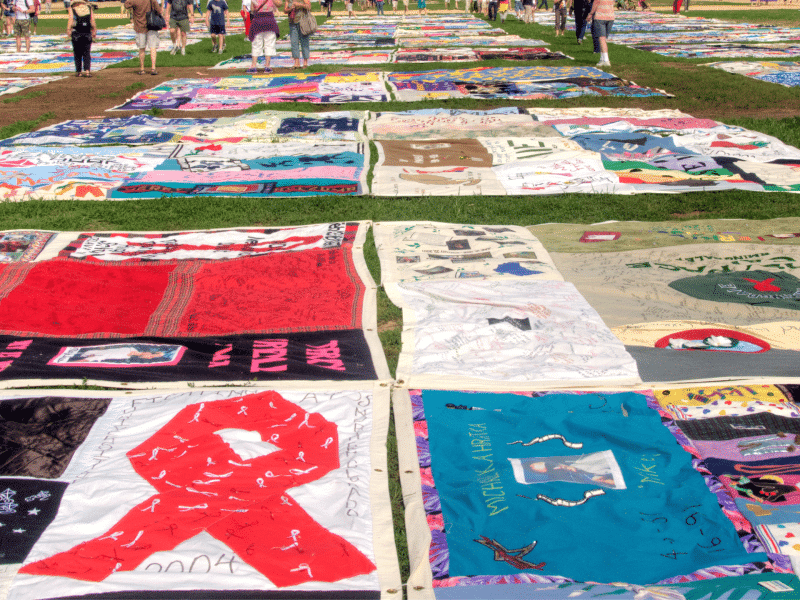
Six AIDS Memorial Quilt panels arrive in Dayton for ‘Wall Power’ exhibit
The panels are a powerful addition to the Art Institute’s ‘Spectacular Quilts’ show
Pump The Beat!: Ohio’s ballroom scene as a queer community haven
For many people in the scene, ballroom is the foundation for their social and personal lives, and keeps many folx healthy, happy and safe.
How the lack of LGBTQ+ storytelling in rural Ohio inspired a rising queer influencer
Gav Galvan amplifies queer history to help those like him who grew up without it.
