A first hearing was held last week for HB 556, a bill that would charge Ohio teachers and librarians with a felony for the crime of “pandering obscenity” to prevent “unnecessary presentation of obscene materials to children in Ohio’s classrooms.”
If passed, teachers and librarians who violate this law could be charged with a fifth degree felony, punishable by a potential sentence of six to 12 months in jail and a fine of up to $2,500.
HB 556 is sponsored by Rep. Adam Mathews (R-Lebanon), and is currently sitting in the Criminal Justice Committee – notably not the Primary and Secondary Education Committee, where educational policy is normally heard.
The word “obscenity” is not defined anywhere in the bill, but Rep. Mathews argued that the word is “familiar to our courts and legal experts.”
“It is both intended and has been interpreted already to only include material on the most extreme end of the spectrum: material with a dominant appeal to prurient interest, dominant tendency to arouse lust by displaying or depicting sexual activity, or dominant tendency to appeal to other extreme interests such as bizarre violence or cruelty,” Rep. Mathews said to the Criminal Justice Committee on Dec.3.
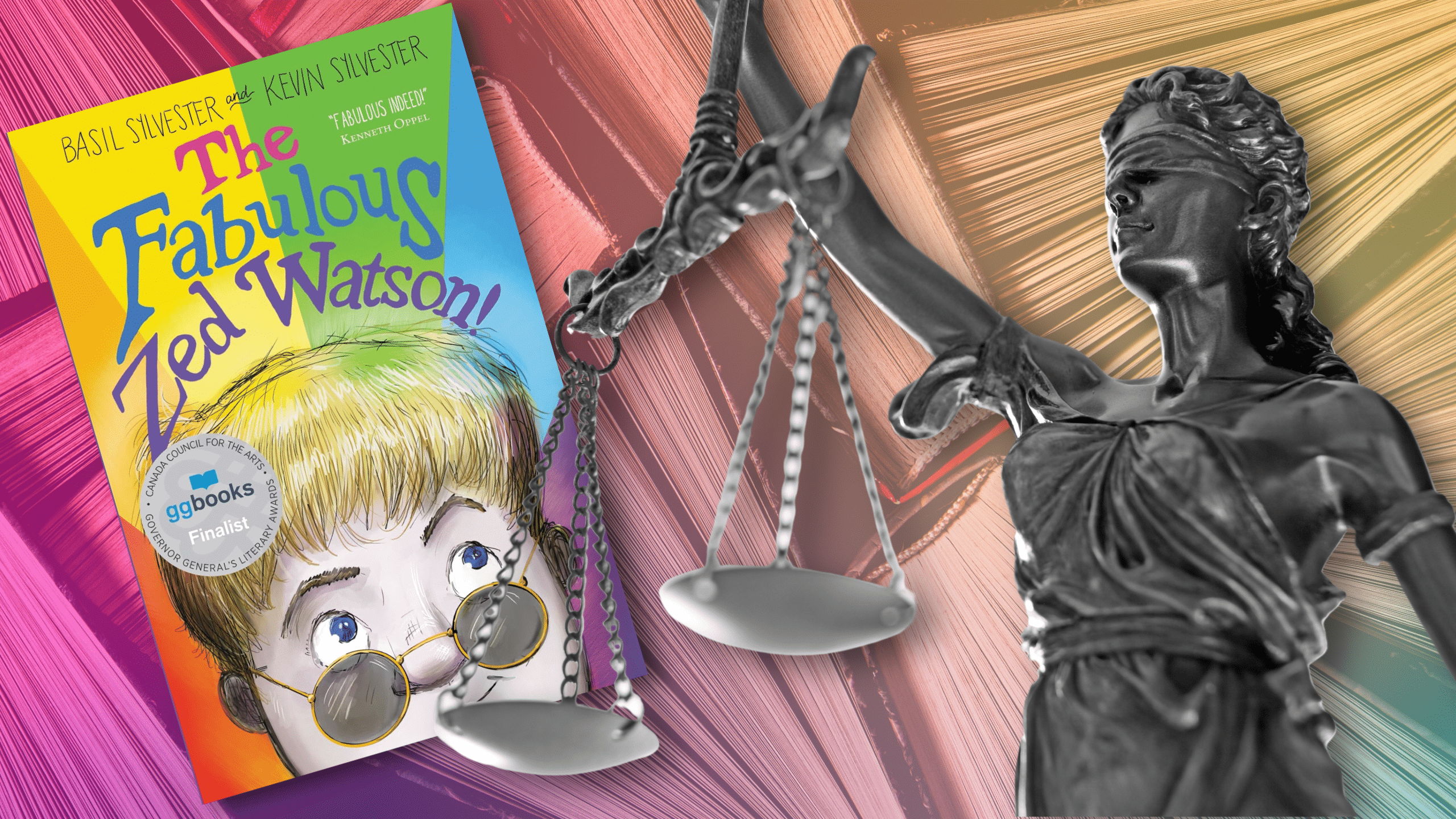
A similar definition was recently used to suspend an Ohio teacher for having four children’s books in her classroom with LGBTQ+ characters.
Given this subjective definition of obscenity, Rep. Cecil Thomas (D-Cincinnati) asked Rep. Mathews to provide a single example of teachers pandering obscenity. Rep. Mathews said the following (his response here is unedited) but did not provide an example:
“We have had people reach out from my district and throughout the state saying, ‘I came in as a substitute teacher and we saw things that were graphically depicting action that students don’t need to be seeing sitting there on bookshelves.’
“We make sure that any of those types of depictions, if they do need to be shown, are in art appreciation, in biology, in health class. There are ways to teach grammar without showing graphic representations of obscenity, and we want to make sure that the type of obscenity standard that all of us abide by – when we go to the store, when we listen to the radio, when we watch tv – all of those things.
“We do have an obscenity standard that all our prosecutors and our judges, they know how to apply that and it still falls within First Amendment protections that if we’re giving an exception in the educational space, it is only limited to where you really need that rather than grammar, English, math, social studies and the like.”
Rep. Josh Williams (R-Sylvania Township) wanted to make sure that school librarians were included under the criminal liability.
“I’ve seen the books that have depictions, stories and narratives that are directly related to sex that we are starting to see pop up in classrooms and in libraries in our schools,” Rep. Williams said, again without providing specific examples.

Rep. Mathews did not mince words with his response.
“Librarians within schools still get hit by this bill,” he said. “This is going after the K-12 space.”
The bill comes as the Ohio legislature is in their last few weeks of lame duck session: the period at the end of a two-year legislative cycle when lawmakers rush to introduce and pass as many bills as possible.
This upcoming week will also include two committee hearings on the Parents’ Bill of Rights, a bill that would force all teachers and school staff to out LGBTQ+ youth to their parents and has a component that limits mentions of LGBTQ+ identity in school curriculum.

It is anticipated that the Parents’ Bill of Rights will be passed out of the Republican-majority Senate Education Committee on Wednesday and could then be passed by the full Senate later that day. 🔥
IGNITE ACTION
- To view The Buckeye Flame’s full LGBTQ+ Ohio legislation guide, click here.
- To access contact information for members of Ohio House Criminal Justice Committee, click here.
Know an LGBTQ+ Ohio story we should cover? TELL US!
Submit a story!