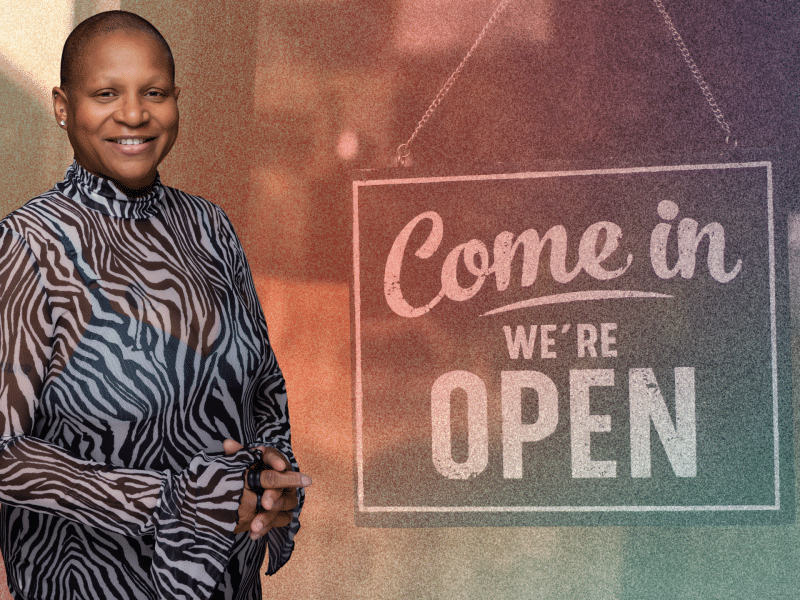
Behind an unmarked door at the rear of Shades Oasis’ office in Columbus is a reconstructed bedroom.
Complete with a full on-suite bathroom featuring an accessible shower, the space mimics the conditions of a nondescript home or apartment – but what takes place inside can be life-changing for people who have experienced trauma.
In the wake of sexual violence and other types of abuse, a person may have trouble showering, getting dressed and undressed, brushing their teeth or even looking in a mirror.
For some, the symptoms persist for months, or even years.
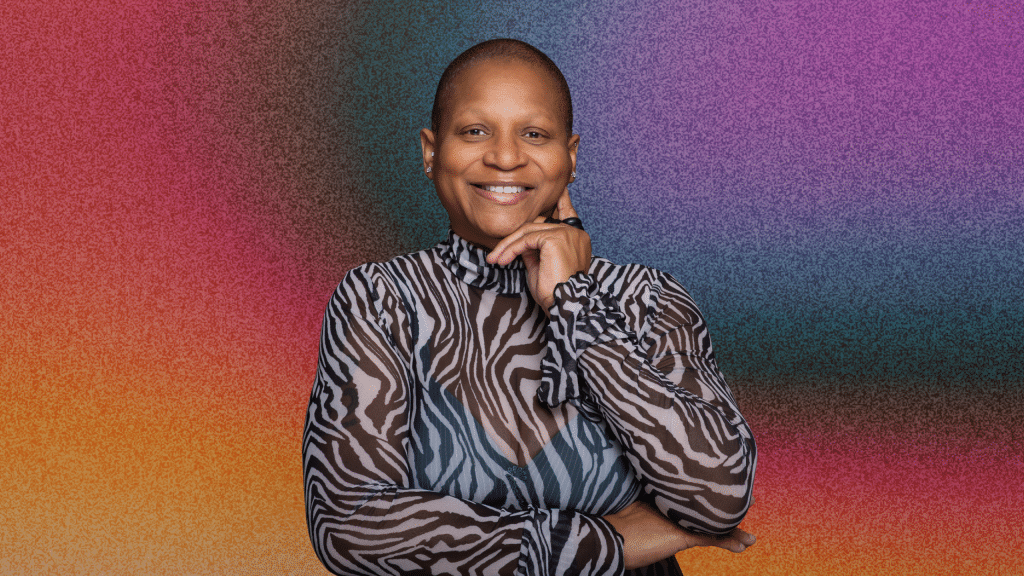
Using the bedroom and bathroom, certified clinical and somatic sexologist Debra Shade guides clients through intense triggers, flashbacks and aversions to help them reclaim autonomy and independence.
Shade works individually with each client to create personalized arousal and intimacy plans.
“The space is set up for exposure to the types of barriers that might show up on that plan,” Shade said –– which are drastically different depending on the client’s experiences and personal goals.
“Whether it’s walking into a dark bedroom, working on making eye contact or having stress at places like the gynecologist,” she said, “This can be really life-changing.”
Shades Oasis
Shade created the Pleasure Education and Exposure Theories (PEET) Program after she noticed a gap in resources around pleasure and recovery.
After 30 years working in human resources, Shade wrote a collection of short stories that sparked an interest in pleasure education. After a public reading, audience members approached her with questions around the sex and intimacy she described in her stories.
“People were saying things like, ‘I didn’t know there was a word for that,’ or ‘I didn’t know lesbians could do that.’” Shade said. “I realized people really needed and wanted education in those areas.”

For some, regaining the ability to shower, change clothing or perform other self-care tasks is top priority.
For others, learning or re-learning how to navigate sexual arousal and pleasure is the primary goal.
One client told Shade they were struggling to have sex again after a traumatic hysterectomy, so the pair worked together to create an arousal based on the client’s own goals and experiences.
“I took her through bigger body experiences. We took some opportunities to look at her body and say what part is great, but more so, what can I highlight?” Shade said. “What can I think about when somebody’s giving me eye contact that’s gonna give my libido that butterfly feeling.”
Pleasure and exposure
Some clients engage in “erotic rituals” to help them reconnect with sensation in different parts of their own bodies, like using a yoni steam chair, dancing or performing other movements that encourage clients to be emotionally present in the body.
“It’s usually about a six-week class in itself,” Shade said. “Things run across each other, so a person could be doing two or three things at one time as far as that exposure.”
In a separate room, a double sided X-cross, often used in fetish play to restrain a participant during sex acts, has been recognized by the state of Ohio as medical equipment.
Using the cross, Shade is able to guide clients through different sexual scenarios involving restraints, impact or pressure on the body.
“We’re looking at how people are hurting themselves, tying knots, thinking about how long you can hold somebody’s arms up, where is safe to put impact on the body,” Shade said. “It’s important because it’s happening. We need to stop pretending it’s not and give this actual true exposure experience.”
Serving LGBTQ+ clients
Outside of individual sessions, Shade offers opportunities to socialize, where clients often learn or relearn the basics, like how to recognize when they’re being flirted with.
“We’re all learning about each other,” Shade said. “We’re getting comfortable with removing the stigma of having public conversations around pleasure.”
At the request of her clients, Shade also hosts a T4T night exclusively for trans and gender-non-conforming people.
“The issues they have are very specific,” Shade said. “If you put them in a heterosexual environment, they’re not going to get queer care. If it’s going to be a real safe space, everything can’t be for everybody.”
Over their lifetimes, LGBTQ+ Americans experience violent crime at a rate more than 4 times as high as their straight, cisgender counterparts.
According to The Trevor Project, about 40% of LGBTQ+ people report having experienced sexual assault before turning 18.
For transgender Americans, the numbers are even more alarming: More than half of all trans people report being raped or sexually assaulted in their lifetimes.
In adulthood, that sexual trauma can show up in many ways, often becoming a significant barrier to maintaining healthy sexual relationships, sexual and emotional intimacy and even community-building.
For Shade, helping LGBTQ+ clients learn or reclaim their own experience of pleasure is exactly what she hoped to do when she was first approached by audience members after sharing her own stories of sex and intimacy as an LGBTQ+ person.
“The body truly holds the story,” Shade said. “That’s something we’re missing in talk therapy. That’s where the exposure part comes in.”
“We have to recognize the interconnectedness of mental, emotional and physical acts of intimacy,” Shade said. “I want people to know this is a safe place to do that – and to come and learn about pleasure and learn about modern day sex education.” 🔥
Ignite Action
- If you are experiencing intimate or sexual violence, please call The Buckeye Region Anti-Violence Association (BRAVO) at (866) 862-7286, text (614) 333-1907, or chat live at BRAVO-Ohio.org.
- To learn more about Debra Shades and her work as a sexologist, read her books “Climax: The Power of Great Sex” and “How to Love a Porcupine When You’re a Porcupine.”
- To find contact information for your local library to request Shades’ books be stocked, click here.
Know an LGBTQ+ Ohio story we should cover? TELL US!
Submit a story!