LGBTQ+ people, especially youth, often carry an invisible weight—stigma, discrimination and isolation—that affects their mental health and well-being. At Cleveland’s Neighborhood Family Practice (NFP), creating a welcoming, affirming space for LGBTQ+ patients isn’t just an option; it’s a necessity for their network of community health centers.
“It’s hard enough to seek help, but for LGBTQ+ youth, it can feel like an insurmountable barrier,” said Samuel Dickman, LSW, a behavioral health therapist at NFP. “Many LGBTQ+ people feel like they don’t deserve care, and that feeling is only amplified by societal discrimination and a lack of understanding.”
For LGBTQ+ youth in Ohio, the statistics are concerning. According to a 2022 Trevor Project survey, 77% of LGBTQ youth in the state reported experiencing anxiety, and 62% reported depression. Even more alarming, 54% of transgender and nonbinary youth had seriously considered suicide.
At NFP, the approach to mental-health care is holistic and community-centered. It’s about acknowledging and addressing the systemic forces that fuel mental-health crises, not just treating symptoms.
This approach is crucial given that 6.82% of NFP’s patients—988 individuals—identify as LGBTQ+. Among these patients, 68.72% (679 patients) have been diagnosed with a mental health condition, and NFP actively addresses these needs, with 38.59% (262 patients) of LGBTQ+ individuals receiving therapy or psychiatry services within the practice.
Breaking barriers to access
Accessing mental-health care shouldn’t feel like climbing a mountain, but for many LGBTQ+ individuals, it does. According to The Trevor Project, in Ohio, 58% of LGBTQ youth who needed mental-health care in the past year didn’t receive it.
“For queer youth, asking for help can mean coming out to a parent or guardian who may not be supportive,” Dickman explained. “It’s an act of bravery just to walk through our doors.”
Neighborhood Family Practice actively works to remove these barriers. By creating a safe, inclusive environment—from the front desk to the counseling room—NFP ensures that every patient feels seen, respected and valued.
Affirming care from the start
At Neighborhood Family Practice, the focus is on relationships. “One of my supervisors always says we’re in the business of relationships,” Dickman noted. “It’s about building trust and creating a space where patients feel comfortable being themselves.”
For mental-health professionals working with LGBTQ+ individuals, especially youth, this means leading with affirming language, asking about pronouns and providing visual cues of support, like Pride flags and inclusive signage. These seemingly small gestures send a powerful message: You belong here.
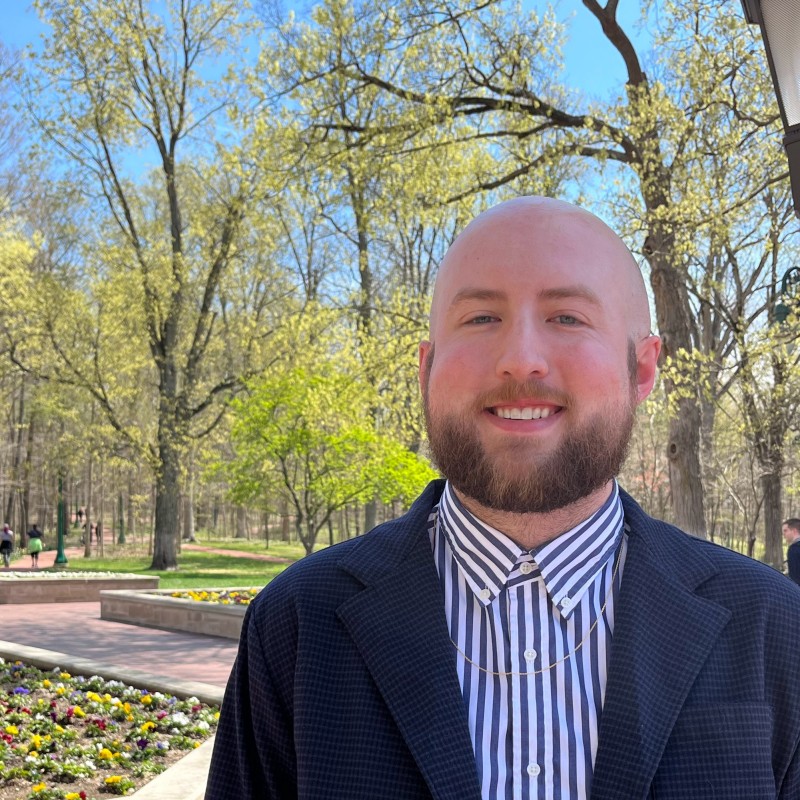
“We make it clear that the patient is in control of what they share,” Dickman continued. “We go at their pace. This isn’t a space where you have to prove yourself. It’s a space to just be.”
The Trevor Project reports that 43% of LGBTQ youth in Ohio have experienced physical harm or threats based on their sexual orientation or gender identity. That kind of trauma requires a compassionate, trauma-informed approach—one that NFP specializes in.
Combating internalized shame and societal stigma
Discrimination doesn’t just happen in public. It’s internalized—quietly, painfully—until it starts to feel like a part of you. “Internalized homophobia and transphobia are incredibly insidious,” Dickman said. “They can impact everything, from sexual health to whether someone feels like they deserve quality care for a condition like diabetes.”
The way LGBTQ+ individuals view themselves, the world around them and their future can be profoundly shaped by these experiences. “Calling out the injustices that reinforce these negative beliefs is a crucial step in the healing process,” Dickman added.
At NFP, this work is collaborative. Primary care providers, psychiatrists and pharmacists work together with the behavioral health team to ensure LGBTQ+ patients receive comprehensive care that meets their unique needs.
Starting mental health care at NFP: the intake process
The intake process at NFP is designed to be straightforward and patient-centered. The first step? Talking with your primary care provider (PCP).
“Typically, patients will begin the conversation with their PCP,” Dickman explained. “They might be curious about therapy or mental health medications, and that first conversation can lead to a lot of their questions being answered.”
From there, patients are paired with a behavioral health provider who will conduct an assessment. “The assessment is about getting a full picture of what’s going on—what the patient has been feeling and what might be helpful for us to work on together,” said Dickman. This initial appointment is critical for creating a plan that addresses both mental and physical health.
NFP works hard to ensure that wait times are kept to a minimum and follow-up appointments are timely. Patients can continue to communicate through MyChart, an online portal that helps streamline communication and enhance accessibility.
Post-pandemic isolation and the importance of connection
The COVID-19 pandemic exacerbated feelings of isolation for LGBTQ+ individuals, who are already more susceptible to loneliness than the general population. “For a lot of queer youth, their main connection to the community was suddenly cut off,” Dickman said.
In therapy sessions, many patients describe the lingering effects of that isolation—feelings of disconnection, hopelessness and self-doubt. “It’s not just about surviving,” Dickman explained. “It’s about rebuilding that sense of community and belonging.”
NFP offers both in-person and telehealth services to make care more accessible. “Telehealth has been a game-changer,” said Dickman. “It doubled the number of patients seeking mental health care because it made therapy easier to access.”
The threat of recent legislation
In Ohio, recent legislative attacks on transgender rights—such as House Bill 68, which requires parental consent for gender-affirming mental health care—have added to the mental health burden faced by LGBTQ+ youth. “When your very existence is up for debate on the evening news, it’s hard not to internalize that,” Dickman said. “These policies create a dangerous environment for young people.”
Fear of parental disapproval is a major barrier to accessing mental health care for transgender and nonbinary youth in Ohio. For those youth, NFP offers critical lifelines through partnerships with local organizations like the LGBT Center of Greater Cleveland and its QYou program, which provides support without requiring parental consent.
“We have to be real with these kids,” Dickman explained. “If they don’t feel safe coming out to their parents, we work with them to create alternative plans that keep them safe and respected.”
Finding support at NFP
At Neighborhood Family Practice, the work doesn’t stop at crisis management. It’s about building long-term relationships that support each individual’s journey toward health and well-being.
“We’re here for the long haul,” Dickman said. “It’s not just about addressing a crisis; it’s about helping people find hope, connection and strength in who they are.” 🔥
IGNITE ACTION
- To learn more about the behavioral health support offered by Neighborhood Family Practice, visit their website here.
Know an LGBTQ+ Ohio story we should cover? TELL US!
Submit a story!