When the nearest pharmacy is a 15-minute drive away and you don’t own a car, a simple medication refill can turn into a crisis. Across Ohio, “pharmacy deserts” – census tracts where residents must travel more than 10 miles to reach a pharmacy – have surged due to widespread closures of these businesses across the state. Thirty-one percent of Ohio pharmacies closed between 2021 and 2024, according to a report by the Journal of the American Pharmacists Association. The closures pushed more than 414,000 residents into areas without adequate pharmacy access disproportionately affecting people who are already facing systemic barriers to care.
Even before these closures, LGBTQ+ Ohioans, particularly those who are transgender or living with HIV, faced barriers to medication access. Picking up a prescription in person could mean navigating judgment, fear of being outed or simply being misunderstood.
“We’ve had patients who have shared with us that when they’ve gone to pharmacies that aren’t familiar with certain medications, especially things like gender-affirming hormones or HIV medications, that patients are sometimes met with feelings of judgment,” said Katie Posendek, Director of Pharmacy at Neighborhood Family Practice (NFP), a network of Cleveland-based community health centers. “Sometimes it’s just a look, or an inflection in someone’s voice, or the way that they ask a question about the medication, and it instantly brings that patient back to that place of trauma.”
Posendek has seen firsthand how quickly care access can unravel after a pharmacy closes. “Most of the pharmacies that have been closing have been in low-income or underserved areas,” she said. “We’re getting a lot of questions from patients. Where do I go now? What do I do? And unfortunately, there are patients who have stopped taking medications altogether due to access challenges.”
To address the crisis, NFP launched a free pharmacy home delivery program in 2021. The service—now operating across 13 ZIP codes—delivers many medications, such as refrigerated HIV meds to gender-affirming hormone therapy directly to patients’ doors.
“We started our home delivery program back in 2021 during COVID, and initially it was to help with medication access for patients who didn’t feel safe coming into the office or for those with transportation barriers. But it’s expanded a lot since then,” Posendek said. “It’s completely free for patients, and we’re now delivering to a pretty wide range of ZIP codes.”
Between 2021 and 2024, Ohio lost 496 pharmacies, and nearly two-thirds of closures came from large national chains like CVS, Walgreens and Rite Aid. The expansion of NFP’s delivery program meets patients where they need it most, offering deliveries Monday through Friday with discreet packaging and flexible drop-off options based on each patient’s needs.
“We have patients that just feel more comfortable receiving their medications at home. One of our patients shared that they felt anxious every time they went to the pharmacy because they were afraid of being misgendered or having to explain their medication,” Posendek said. “Now, they don’t have to. It’s delivered to their house, discreetly, and they feel safer.”
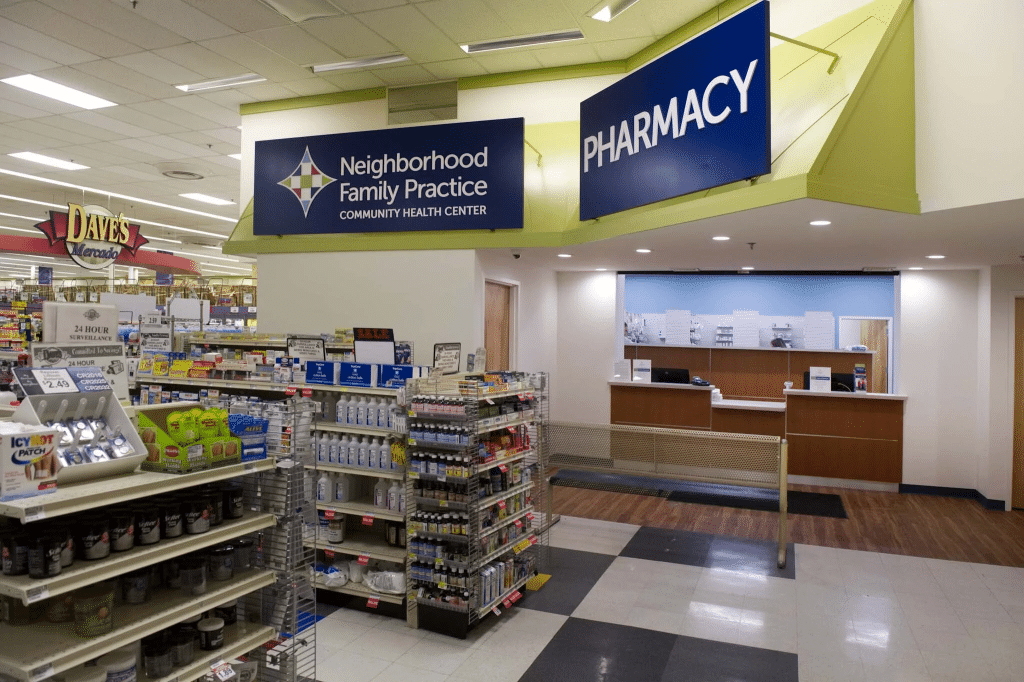
The program is trauma-informed by design: packages are unmarked, couriers are trained to handle prescriptions with care and patients can coordinate deliveries over the phone or in person through communicating with their provider or the pharmacy directly.
“There’s a big gap in access, and we’re trying to close it,” Posendek said. “This is gender-affirming care in a very practical, everyday sense. And it matters.”
NFP’s delivery model is closing a geographic gap and actively working to address a broader equity divide. With pharmacies disappearing and care becoming more fragmented, trusted, community-rooted solutions are more essential than ever.
“When we think about medication access, we need to think about what actually makes it accessible,” Posendek added. “Yes, it’s about having a pharmacy nearby, but it’s also about trust, safety and comfort. And that’s what we’re trying to provide.” 🔥
IGNITE ACTION
- Learn more about Neighborhood Family Practice’s pharmacy delivery services by visiting their website or giving NFP a call at (216) 281-0872.
Know an LGBTQ+ Ohio story we should cover? TELL US!
Submit a story!