
Oberlin alum finds her queer voice in a documentary short debuting at the Cleveland International Film Festival
“Big Bass” is part of CIFF’s LGBTQ+ film lineup on April 14 and 15
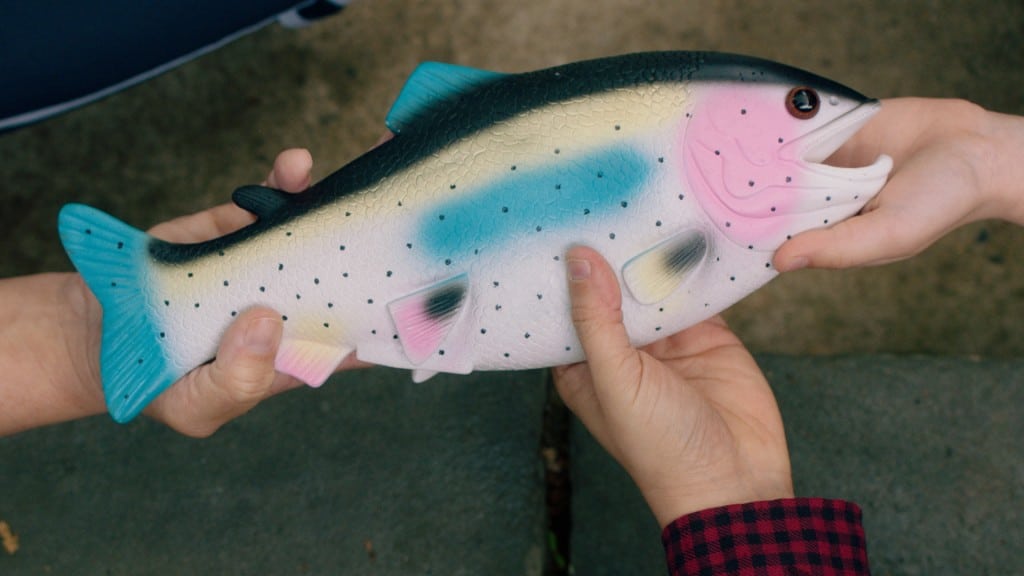
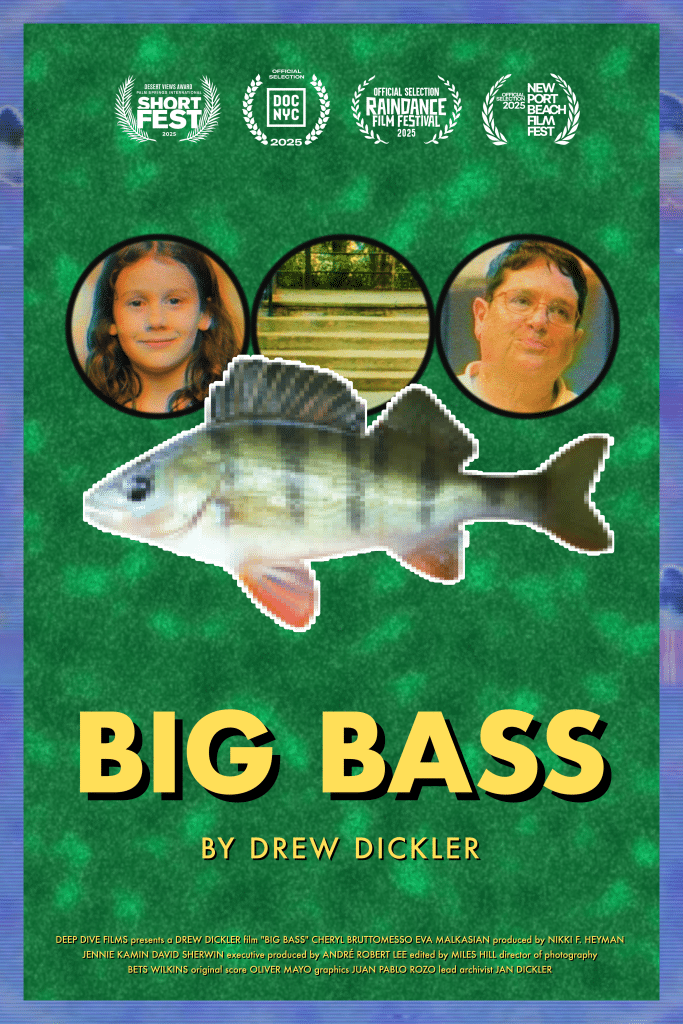
It wasn’t until Drew Dickler went to Oberlin College did the Philadelphia native embrace her identity as a lesbian and a documentary filmmaker.
In her new short documentary film “Big Bass,” Dickler turns back the clock to peer into a childhood memory and puts her personal queer experience front-and-center.
The 14-minute film features now 36-year-old Dickler speaking with her childhood gym teacher to try and understand a memory surrounding her early role model and a big fish. She ventures to Philadelphia to meet with her old teacher and try to understand her memory and why she remembers a big rubber fish.
In the film, Dickler interviews her former gym teacher, Cheryl Bruttomesso. While Bruttomesso is blocked like a typical interview, the camera cuts to a reverse shot of Dickler as she interviews Bruttomesso. Next to Dickler is a large film camera that intrudes into the frame. Dickler said it was a purposeful choice to make viewers feel her some of her discomfort in that moment.
Dickler thrust herself into documentary filmmaking after a cinema studies class at Oberlin College. Her professor Geoff Pingree became her mentor and later produced some of her movies. She debuted her first documentary at CIFF, “100 Second Chances,” in 2015 and directed her first feature, “Fireboys,” in 2021, both co-directed with Jakob Hochendoner. “Big Bass” will debut as part of Cleveland International Film Festival’s DReam Maker Shorts program, which highlights LGBTQ+ short films from across the world.
“Ohio was definitely the place where I truly fell in love with documentary filmmaking,” Dickler said.
This interview has been edited for length and clarity.
The Buckeye Flame: How do you think your queer identity has shaped the way you do documentaries?
Drew Dickler: I embraced a “cinéma vérité” mode, where I was observing and trying to uplift other voices and show other truths that were outside of my experience. And I really enjoyed doing that work. It’s really challenging, meaningful work.
But I also felt a pull to tell more stories that were closer to my own identity and community. It was like a pull from inside. And that’s kind of how I ended up [as a producer] on this feature about trans masculinity and trans boys that’s coming out next, called “What Will I Become.”
The movie begins with archival footage, AOL Instant Messaging sound effects and motion graphics recalling the days of public access television. Dyke TV‘s “punk rock D-I-Y” vibe and its “I Was A Gay Child” segment was an inspiration for the film’s direction, says Dickler. It helped her examine her own childhood as “a really gay kid.”
Flame: What was the “creative breakthrough” depicted in the film?
Dickler: There was this public access show called Dyke TV. I’ve never talked about this before, but it was a huge inspiration for me for this film. They had a lot of different segments, and one of their segments was called “I Was a Gay Child.” They would have someone come in and show pictures of themselves from their youth and just kind of talk about it tongue-in-cheek.
When I was thinking about how to frame [the beginning of “Big Bass”], I was watching old references and I saw that sequence and I was like, “Wait, I was a gay child. I was a lesbian child. Like what if I riffed on that?” I started to write the voiceover and riffed on that and made the joke about how my name [Drew] is still gay and all this other kind of stuff. It kind of opened up a more authentic voice.
Some of that voice is presented through her interview with her former gym teacher, Cheryl Bruttomesso. While Bruttomesso is blocked like a typical interview, the camera cuts to a reverse shot of Dickler as she interviews Bruttomesso.

Next to Dickler is a large film camera that intrudes into the frame. Dickler said it was a purposeful choice to make viewers feel some of her discomfort in that moment.
Dickler: I felt very close to my own voice through the kind of vulnerability of talking to her on camera in a way I’ve never spoken to anyone on camera before.
I make a choice, too, where I take the music away when we really get into the vulnerable section. My editor Miles [Hill] and I really worked on that. The point is to really make you feel like I’m starting [the movie] from a place of more like a objective filmmaker, who’s used to kind of doing this over and over, and then hopefully the artifice falls away and it’s just these two women connecting, a story of intergenerational queer connection.
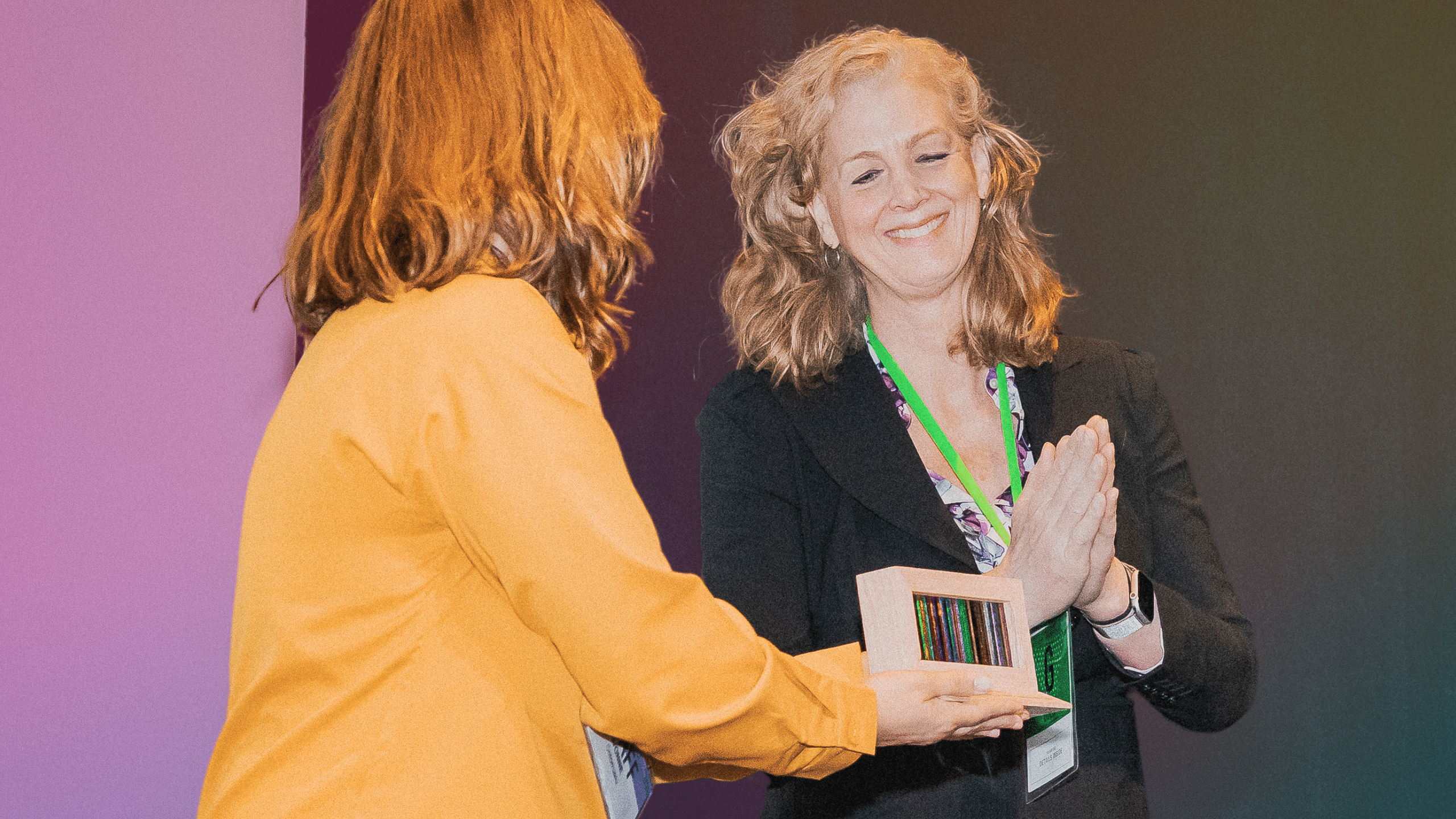
Ways of breaking into the film industry have changed over the years for everyone, including queer filmmakers, Dickler said. Anxiety around artificial intelligence replacing human creativity and the push to reverse LGBTQ+ rights might cause queer filmmakers to rethink how they express themselves.
But ultimately, “Big Bass” says there’s no wrong way to do that, as long as it’s “authentic to ourselves” and “exciting,” Dickler said.
Flame: What tips would you give aspiring queer filmmakers to help them stay visible and true to themselves?
Dickler: I don’t think it’s safe to be openly gay right now. I also think there’s a sliding scale. Someone like me, who’s this white woman, has a lot more safety than like other folks, particularly trans folks or people of color.
But what is even more valuable to people is authenticity and a clarity of voice. I think even with AI, even with all this stuff, that’s not gonna go away. It’s actually gonna become more valuable to be able to share your own story, your own aesthetic and your own style.
I would just encourage people to do that in whatever way feels good to them and to take joy in that process. There’s nothing more fun than making a movie with your friends.
The Cleveland International Film Festival will screen “Big Bass” as part of CIFF’s LGBTQ+ short film program, DReam Maker Shorts, at 7:30 p.m. on Tuesday, April 14 and 4:45 p.m. on Wednesday, April 15 at the Cedar Lee Theatre and at the Playhouse Square Complex, respectively. 🔥
IGNITE ACTION
- To learn where to watch “Big Bass” and other movies at CIFF, click here for the festival’s schedule. Use code “FLAME26” for $1 off each ticket.
Know an LGBTQ+ Ohio story we should cover? TELL US!
Submit a story!
Author

Related Articles
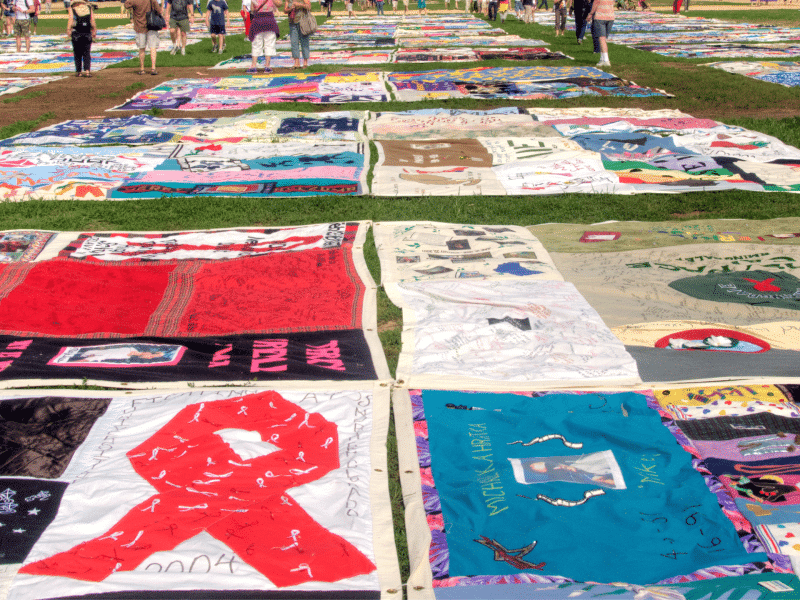
Six AIDS Memorial Quilt panels arrive in Dayton for ‘Wall Power’ exhibit
The panels are a powerful addition to the Art Institute’s ‘Spectacular Quilts’ show
Pump The Beat!: Ohio’s ballroom scene as a queer community haven
For many people in the scene, ballroom is the foundation for their social and personal lives, and keeps many folx healthy, happy and safe.
How the lack of LGBTQ+ storytelling in rural Ohio inspired a rising queer influencer
Gav Galvan amplifies queer history to help those like him who grew up without it.
