
There’s a not-so-secret garden growing in Dayton’s BIPOC LGBTQ+ community
Black In Blooming is cultivating community and health for Black queer Daytonians through art, movement and intentional spaces for belonging
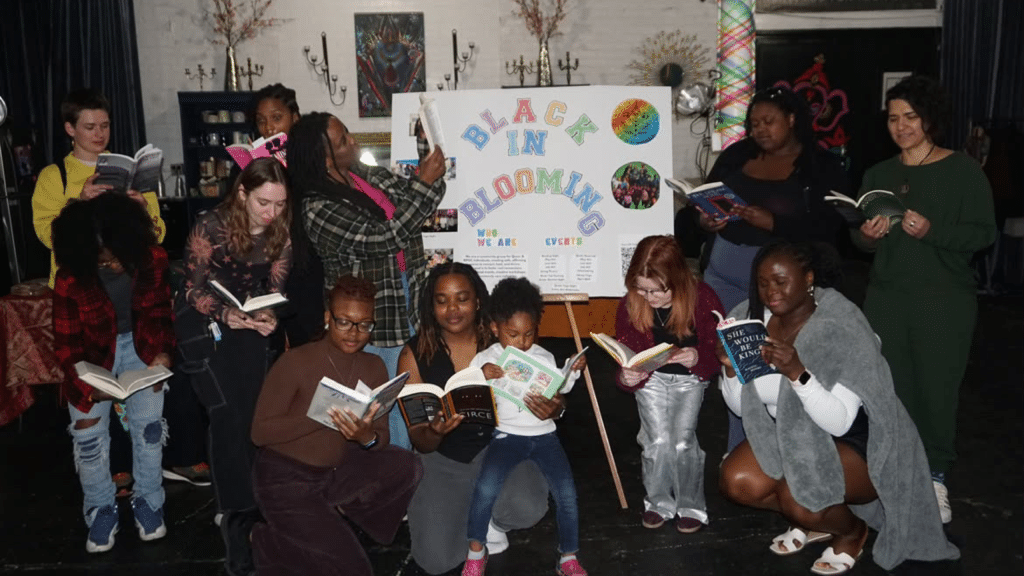
The room is quiet except for pages turning.
Tea brews in the corner as Black queer Daytonians settle into couches with books in hand. For the first hour, they discuss a book, typically from a Black queer author. Then the conversation fades. Some people journal. Others read in silence. A few step into another room to pray or reflect at a small altar before everyone gathers once more for a sound-bowl meditation.
There are no flashing lights or crowded dance floors.
For Ja’la, founder of Black In Blooming , that is intentional.
“We’re always trying to curate a vibe,” she said. “There’s tea, there’s always tea. People often journal, read tarot, there’s an altar room where you can go and pray, and after our three hours we do a sound-bowl experience and go home and rest.”
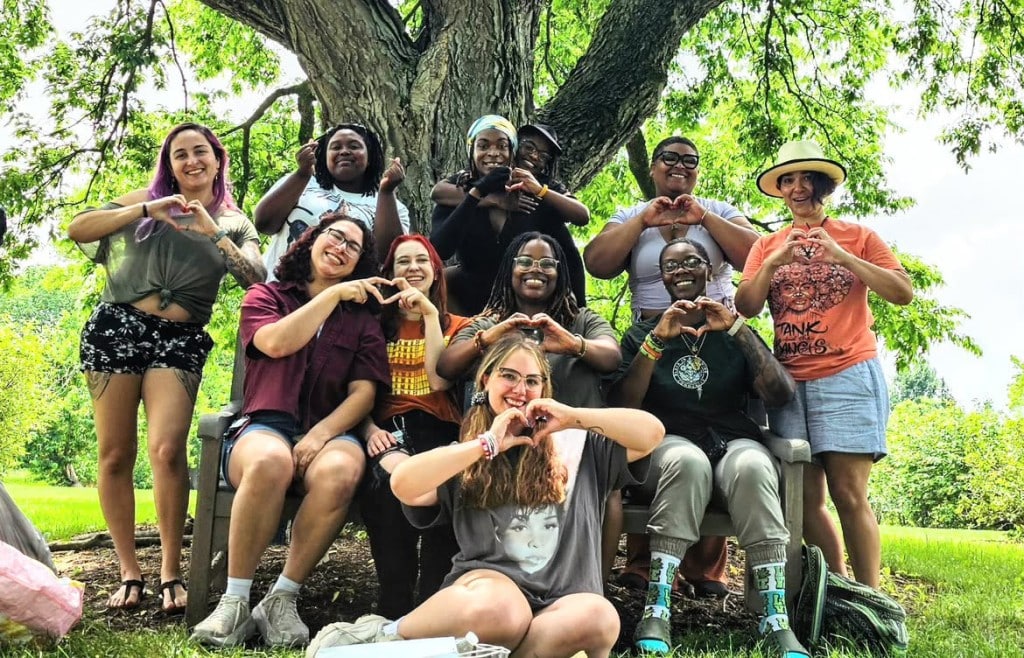
Founded in 2024, Black In Blooming creates spaces where Black queer Daytonians can gather through art, movement and community. While many LGBTQ+ spaces have historically centered on nightlife, the organization offers something different: places where Black people can simply exist without feeling like they have to perform.
Building community through wellness
Although she lived in Dayton since middle school, Ja’la said finding affirming spaces as a young Black queer person often meant leaving the city.
“I feel like the POC scene in Dayton is prominent. We go party elsewhere,” she said. “The first time I went to Pride, I went to Cincinnati Pride. I was 17. We did not have a thriving youth collective. We did not have enough queer spaces, third spaces, especially being on the west side.”
After studying psychological science at Miami University and sociology at Sinclair Community College, Ja’la began thinking about community through the lens of wellness.
“I wanted something more slow, without bright lights and continuous sound; I wanted those who aren’t neurotypical to feel safe and seen,” she said. “A curated experience where people can be who they are without having to perform.”
“People want things,” Ja’la said. “They just don’t get the invite.”
The importance of consistency
The organization has hosted more than 30 events, from guided hikes and yoga sessions to reading nights and educational art workshops.
For Ja’la, success has never been measured by attendance alone.
One of the organization’s hikes to Glen Helen Nature Preserve brought together just eight people and a baby.
“We saw four deer. We saw a bunch of mushrooms,” she said. “As a community organizer, I have to remember to not let numbers dictate success. Sometimes intimacy is more impactful.”
Instead, they measure success by consistency.
“The key is to do things routinely,” Ja’la said. “Hold a schedule so people can have somewhere to go at least once a month.”
For many participants, that monthly invitation has become more than another event on the calendar. It has become a place to return to and a place where belonging is expected, not earned.
That enthusiasm is reflected online as well. Responding to one of Black In Blooming’s Instagram posts, one commenter wrote, “OMG! Wait! My intersections represented in my hometown! Gotta pull up!!” capturing the excitement of seeing a space intentionally created for Black queer people in Dayton.
“I think we contribute by being the community,” she said. “We give you a chance to be yourself, curate yourself, become yourself. You can do that on Instagram, but not always in person.”
That philosophy shapes every gathering.

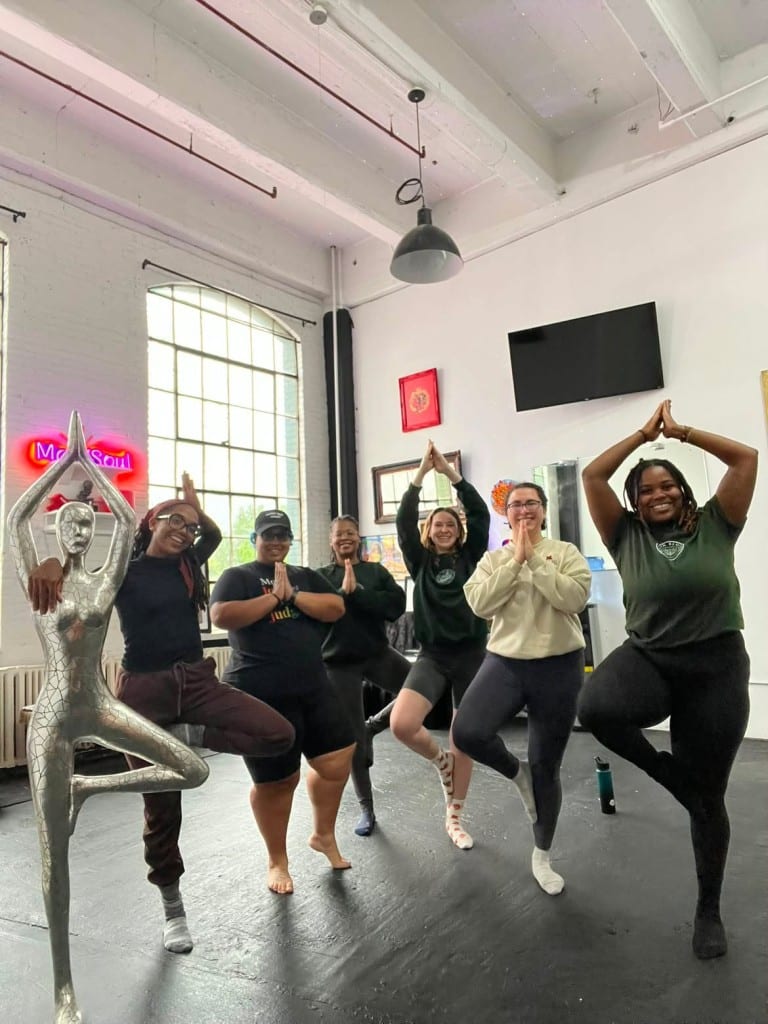
At Queer Yoga Night, participants begin by journaling in response to prompts like What do I need today? before practicing yoga led by instructor Marcella. The organization also hosts monthly hikes, inviting participants to explore local parks and nature preserves together.
“It’s about giving people a time and a place,” Ja’la said.
She believes consistency matters because many Black queer people have spent years without spaces where they feel fully seen.
“I think our goal is being achieved by meeting people at our events and giving them the experience of not being the only Black queer person in the room,” she said.
Education is another pillar of Black In Blooming’s work. Through zine-making workshops, participants explore poetry, visual art and conversations around issues affecting the Black queer community. One workshop focused on queer sexual health, encouraging participants to tell their own stories through writing and collage.
Actively living
Ja’la said isolation often reveals itself in subtle ways.
“I think it shows up in a lack of confidence,” she mused. “The number one thing I tell people is, ‘Stop saying sorry to me.’ What are you saying sorry for?”
Other times, she reflected, people dismiss new experiences before giving themselves the chance to enjoy them. “It’s the energy of saying, ‘That’s wack,’ or, ‘That’s corny,’ because there’s a fear it won’t work anyway.”
Community care, they believe, also means acknowledging the barriers many Black queer Daytonians continue to face.
“I do think the component of drinking culture is a big thing with us not actively living,” she said. “It can disrupt actively getting into your identity.”
Black In Blooming has continued to grow without grants or institutional funding. Most events are free or donation-based, supported by community contributions and money raised while tabling at local Pride festivals. “Everything pays for itself,” Ja’la said. “Donate what you can, and everything supports itself.”
They hope to eventually establish Black In Blooming as a nonprofit, but they also hope to see more organizations working together rather than competing for limited resources.”I think about collaboration,” she said. “There is enough room for all of us.” 🔥
IGNITE ACTION
- For more info on Black In Blooming, visit their link.tree here.
Know an LGBTQ+ Ohio story we should cover? TELL US!
Submit a story!
Author

Related Articles
Pump The Beat!: Ohio’s ballroom scene as a queer community haven
For many people in the scene, ballroom is the foundation for their social and personal lives, and keeps many folx healthy, happy and safe.
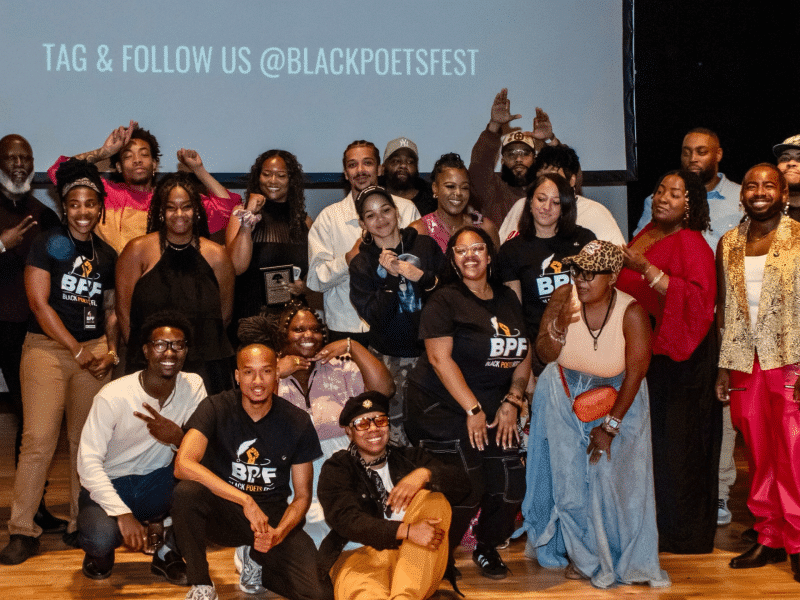
Black Poets Fest in Columbus builds a home for Black artists – LGBTQ+ definitely included.
‘This space belongs to us, without confusion or apology.’
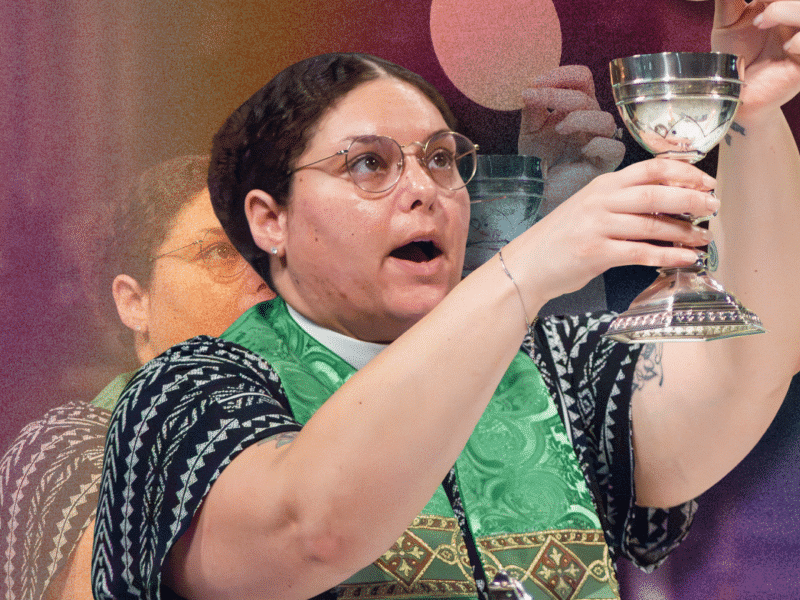
A Gospel of Their Own: How BIPOC LGBTQ+ Ohioans are navigating faith spaces
The church can be a source of deep pain, while the faith, music and spiritual traditions formed there can remain deeply meaningful.
