
“It’s happening all over.” – National Black LGBTQ+ org provides perspective on anti-LGBTQ+ Ohio legislation
We chatted with Dr. David J. Johns, executive director of the National Black Justice Coalition, an org dedicated to Black LGBTQ+ empowerment.
There’s a whole big world out there.
With The Buckeye Flame’s hyperlocal focus on LGBTQ+ Ohio, it can be easy to forget that there are 49 other states out there. And, similar to Ohio, so many of those other state legislatures are also spending their time devising legislation demonizing the lived experience of LGBTQ+ individuals.
To throw some national perspective into our Ohio outlook, we chatted with Dr. David J. Johns, the executive director of the National Black Justice Coalition, a civil rights organization dedicated to the empowerment of Black LGBTQ+ individuals.

With his organization’s mission of ending racism, homophobia and anti-LGBTQ+ bias, Dr. Johns laid out for us what’s happening right outside Ohio’s borders and what each of us can do to use our voice more effectively.
So let’s talk nationally. It almost looks an arms race in these state legislatures to see who can do the most damage to the LGBTQ+ community. Is that a fair assessment?
Absolutely. I’ve spent a lot today thinking about a recent trip that I took to Israel and Palestine. In Israel, there’s a stone enshrined outside the Holocaust Museum with a message that reads, “Tell your children to tell their children to tell their children what happened here, so that their children don’t have to repeat it.”
So many elected and appointed leaders in America have critiqued totalitarian regimes – like North Korea and Russia and Central America – only to enact those very same tactics of playing into culture wars and painting extremely minoritized members of marginalized communities as a “scary other.” We are now passing laws that criminalize and encourage neighbors to report felonies on one another and proposing laws that would result in librarians removing all books out of fear. And these leaders are doing all of these things without impunity.
I don’t know a state you can go to at this point that hasn’t introduced or codified an anti-truth, an anti-LGBTQ or an anti-democratic policy.
Dr. David J. Johns
I don’t know a state you can go to at this point that hasn’t introduced or codified an anti-truth, an anti-LGBTQ or an anti-democratic policy. It’s happening all over. And it is unnerving and scary to think that maybe the worst of it is yet to come.
And we’re not talking about LGBTQ+ adults here. You’re seeing that youth are the targets of so many of these anti-LGBTQ+ efforts?
Yes, absolutely. A part of what’s happening is that the challenges for individuals who have multiple marginalized identities are being ignored because so many people are caught up in the propaganda that suggests that there are so many wins that the LGBTQ+ movement has earned in the last two decades.
That masks at least two things. Prior to the most recent legislative cycle it was and is still the case that children who are often assumed to be queer, trans or nonbinary don’t have the same rights and protections as their peers. That’s why organizations are advocating for the Equality Act to make sure that there are clear and consistent nondiscrimination protections, which would help students.
The other part of this is naming that Black children have often been targets, especially when we think about schools and the function that schools play in recreating social order.
Some of this has to do with the radical right having lost attempts to ban people from the bathrooms of their choosing and having lost on marriage equality.
So you have attacks on issues like trans youth being able to play sports in schools, which is ironic given how much money and time our country invests in sports and understanding that sports are an essential way to develop essential skills that will help them excel in the global 21st century workforce.
The way that politicians – including the Lt. governor of North Carolina who stood in the pulpit of a church and called LGBTQ+ children garbage and the way that [Florida] Governor DeSantis is naming children at the problem and the target of political animus – that all feels very new.
We’re certainly experiencing so much of that anti-LGBTQ+ legislative action here in Ohio. Sometimes there’s a push and pull sometimes between looking for support locally and looking for it nationally. From the vantage point of the National Black Justice Coalition, how can a national org help locally?
I think a lot of about a mentor, Freeman Hrabowski, former president of UMBC, who talks about the importance of not being beholden to the tyranny of either/or and instead being liberated by the beauty of both/and. And when it comes to assuring that people have fundamental civic and social rights, the efforts of local and national organizations in a coordinated manner are really important.
We are really proud of the relationship we have with Equality Ohio. We also do a lot of work with the Marsha P. Johnson Institute, which is led by Elle Moxley who is based in Ohio.
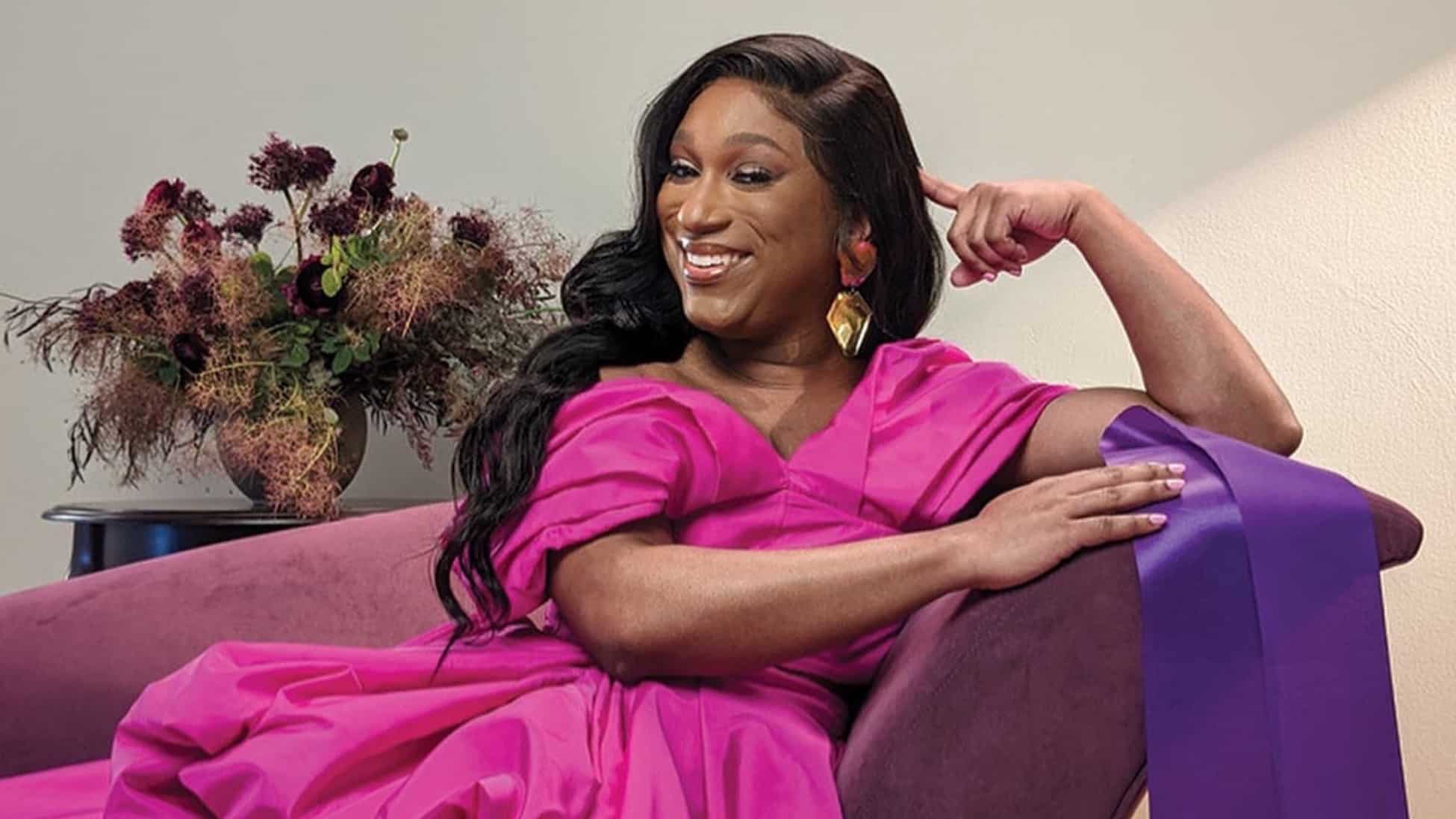
So much of what is important to us as a national organization is to be in community with local leaders and to work in collaboration with them to ensure that we are investing our time and resources on the needs identified by those who are closest to them on the ground.
Let’s close with the call to action. What can readers do here in Ohio, in particular with being more intersectional with this work?
Three things. bell hooks wrote a book called “Teaching Critical Thinking,” and one of the things that she talked about is that we don’t do a good job in encouraging people to think critically.
When it comes to a lot of the anti-LGBTQ+, anti-truth, anti-democracy legislation, I want people to sit with asking questions and to really think critically whether these solutions-in-search-of-a-problem are advancing our democracy or further enshrining a white nationalistic sentiment.
The second thing people can do is to ensure that elected or appointed leaders are actually leading in ways that improve opportunities for diverse communities. So many elected leaders are enacting policies that are not in the best interest of the vast majority of the people they serve. One of the great benefits of our very young and very fragile democracy is that we have the power to hold elected leaders accountable.
And the last thing is to acknowledge that a child’s first and most important educator is their parents and that youth develop cognitively, socially and emotionally in the families and communities that are entrusted to care for them. My hope is that more people celebrate the rich legacy of resisting policies and regimes that are designed to encourage separation and segregation. We need to appreciate the lesson of Fannie Lou Hamer that until all of us are free, none of us are free. We can all do a better job with that. 🔥
IGNITE ACTION
- Learn more about the National Black Justice Coalition by visiting their website.
Know an LGBTQ+ Ohio story we should cover? TELL US!
Submit a story!
Author

Related Articles

Audio This News is So Gay (10/7/26): Diving Into the Gap Between Anti-LGBTQ+ Laws and Their Consequences
Featuring: H.L. Comeriato (The Buckeye Flame) and Kae Petrin (Trans Journalists Association)

Ohio’s new Republican bill raises a familiar question: Which families count?
The Family Sovereignty Act would limit who can allege that a child appears abused or neglected.

2025-26 Guide to Ohio’s LGBTQ+ Legislation (136th General Assembly)
To help you differentiate one bill from another, we have put together this easy-to-use reference guide to Ohio LGBTQ+ legislation.

Comments (1)
Comments are closed.