Although recent studies estimate that close to 2% of sexual minority adults identify as asexual (ace), precious little is done to highlight the ace experience within the larger context of the LGBTQ+ community.
That’s about to change as asexuality awareness is getting a huge boost by being featured in the GLAAD nominated series “It’s OK to Ask Questions,” on Peacock.
And it’s an LGBTQ+ Ohioan being centered in the narrative.
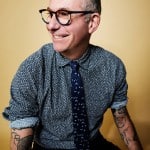
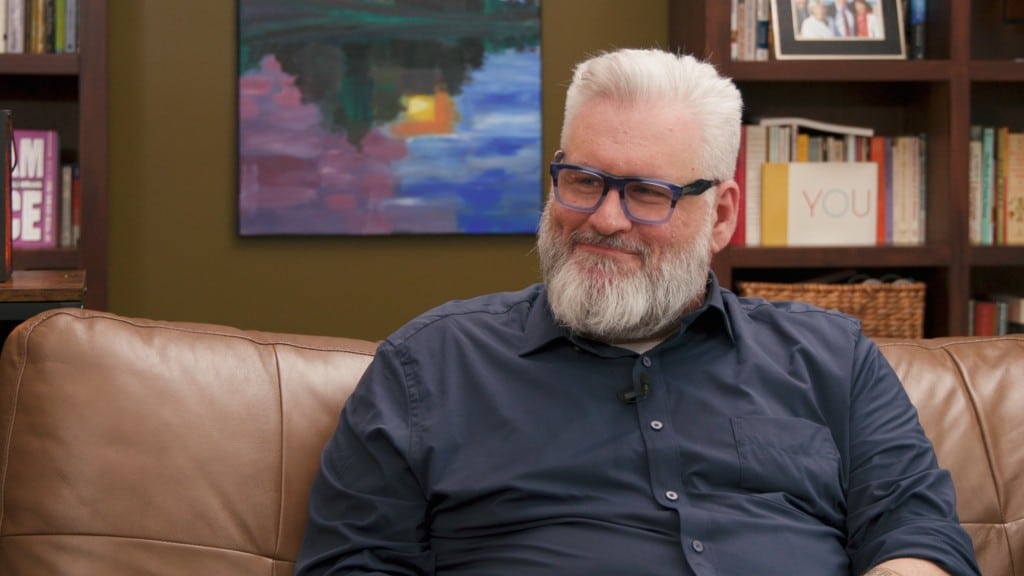
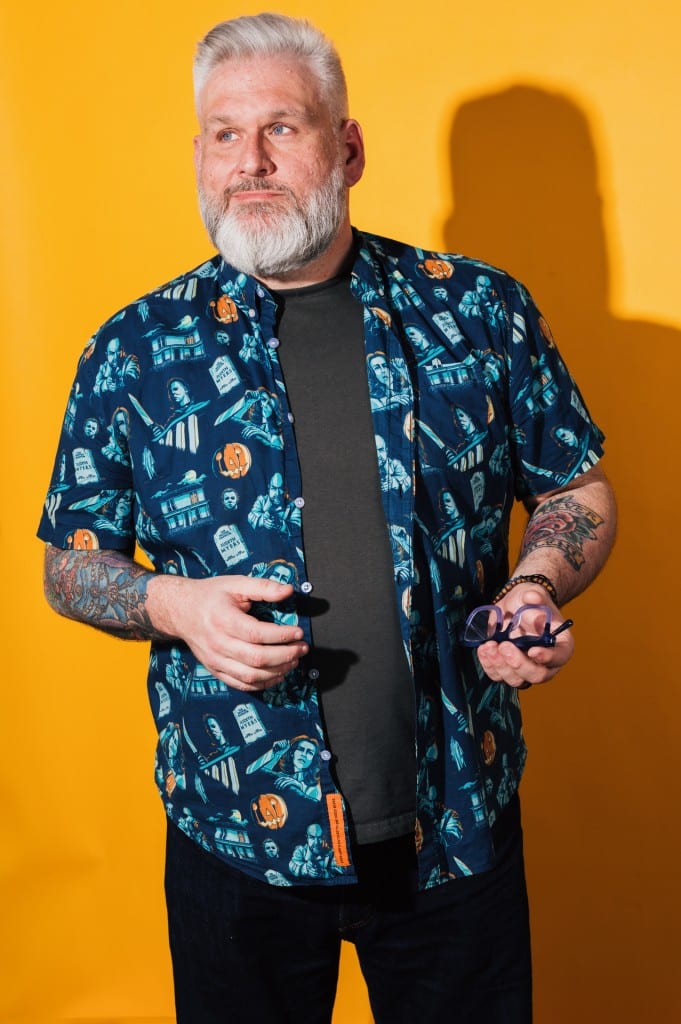
“In searching through the internet, [the producers] found me and thought that not just my work was an interesting story, but also my life,” said Cody Daigle-Orians (they/them), a Columbus-based writer and asexuality educator.
Daigle-Orians is the author of the young adult books I Am Ace: Advice on Living Your Best Asexual Life, The Ace and Aro Relationship Guide, and a contributor to Being Ace: An Anthology of Queer, Trans, Femme, and Disabled Stories of Asexual Love and Connection, which was nominated for a 2024 Lambda Literary Award. They are a 2024 Lambda Literary Fellow, and they were nominated for a 2023 British LGBTQ Award for Online Influencer.
The Buckeye Flame spoke with Daigle-Orians about asexuality awareness, general misconceptions and how labels can trip us up. To listen, click play directly below or read our (edited) conversation beneath the audio link.
What are the biggest misconceptions that you hear about being about being asexual (ace)?
Cody Daigle-Orians: The biggest misconception is that people don’t really know anything about it. We’re usually starting from just its existence. The biggest misconception is generally that asexuality just means people who don’t have sex or don’t have relationships. They sort of assume ace people are kind of like blank slates and disconnected people when that is absolutely not the case.
Asexuality is a sexual orientation that has lots of different kinds of expressions, relationships to sex and relationships to relationships. Ace people look a lot of different ways and live a lot of different lifestyles.
I would imagine that you get a ton of incredible feedback in doing the work that you do. Talk to us about just some of the reaching out that people do.
I think because asexuality is such an underrepresented and misunderstood sexual orientation, most of what I get from people who find my work and relate to parts of it and see ace-ness in themselves is just a gratitude for introducing them to the idea.
Something that is a common story for asexual folks is, “We found it on Tumblr.” That’s how I found out about asexuality. I learned it on Tumblr, or I found it on Reddit or I found it from some person talking about it online. And it’s just the gratitude of giving language to some experience in themselves that they never had language to before.
That is a recurring theme that comes through whenever people are reaching out.
Are there any questions that you wish you could wipe out as just, “Oh my gosh, do not ask me this anymore”?
There’s a group of questions where people ask if they have permission to use language for themselves. “Can I call myself ace if I live like this? Can I call myself this? Can I say this about myself?” And I feel like that’s kind of rooted in just a cultural insistence that we don’t have the right to self-determine and that we can’t say, “I understand what’s happening in my body and in my mind. And this is the language I’m using for it. And that’s who I am in the world.”
I always feel like this is anxiety that you have to meet some kind of like queer checklist or else the queer police are going to come and knock down your door if you’re using language that you’re not “supposed to.” I would love to wipe those questions away and just have people really believe in their own autonomy to author their own story.
Tell us how this show “It’s Okay to Ask Questions” came into your life. You are appearing alongside some pretty notable LGBTQ+ people in society.
[laughs] I’m the least notable person.
You are the most notable in this interview right here!
I’ll take it. So, I randomly got an email from Matthew Rodriguez, who is the host and one of the executive producers of the show, saying, “Hey, we’re, we’re doing a second season of this show.” And they wanted to tell an ace story as part of the season. In searching through the internet, they found me and thought that not just my work was an interesting story, but also my life because I am polyamorous. I have three partners. So I’m ace, but I also have a very queer life.
So I said yes. And they flew out from Chicago and spent some time here in Columbus with me and my partners talking about my work and my personal experience and our relationship experience. I was very thrilled and a little like, “Who me?” about the whole experience. But I was very happy to have been included as part of this incredible lineup of people.
What do you hope people get out of watching it?
For many people who are just watching this on Peacock, I assume that it will be maybe their first introduction to an asexual person. So what I’m hoping is that they will hear something about ace lives and ace experiences that challenges their misconceptions, challenges their stereotypes about us and maybe makes them think about us in a more empathetic and inclusive way.
And I certainly hope other ace people who watch the show feel well represented. I’m just one version of ace out in the world, but I certainly hope that ace people who watch it feel proud that we got included in this group of people and proud that we’re getting an opportunity to tell some small part of our overall story.
Not only are you out there doing some educating, but I hear that you have become a student yourself?
Yes! After after many, many years away, I’m back in school. I’m at the University of Cincinnati in their gender and sexuality program. They have a 4+1 program where I can get two degrees in a short amount of time. So I’m pursuing my master’s in gender and sexuality studies with a focus on public and minority health.
It’s been a fun adventure. I love the work that I do online at Ace Dad Advice and interacting with people in the social media space, but I want to grow this work that I do to advocate in other spaces away from the keyboard and away from the screen. Particularly around issues of like ace and aro healthcare and how we experience those interactions and to make those interactions more safe for us overall.
I can’t talk to you without asking for some patented Ace Dad Advice. What is one of those Cody pieces of advice that you just want to make sure everybody knows out there as they are on their ace journey?
In the ace community, we talk a lot about identity language and labels. There’s a lot of anxiety about attaching them to yourself, what that means and what that represents. But I think this is true for people in all queer identities. Labels are tools, not tests. Labels don’t exist to quiz us and fit us into very specific boxes. Labels are tools that we can pick up to use to describe our experience and connect our experience to other people who share the same experience.
If we think about labels as tools, we can use them when they’re necessary. And we can discard them when they’re not helpful anymore. Then labels won’t place pressure on us to change or retrofit ourselves into some small, little idea. They can help us tell a complicated idea about ourselves overall. 🔥
IGNITE ACTION
- Watch Cody Daigle-Orians episode of “It’s OK to Ask Questions” by going here.
- Learn more about Cody by visiting their website.
Know an LGBTQ+ Ohio story we should cover? TELL US!
Submit a story!