
Shannon Hardin knows being Columbus’s first Black, gay mayor in name only isn’t enough for real change
Hardin connected his broader campaign to the disparities many LGBTQ+ Columbus residents face as the city becomes increasingly expensive.
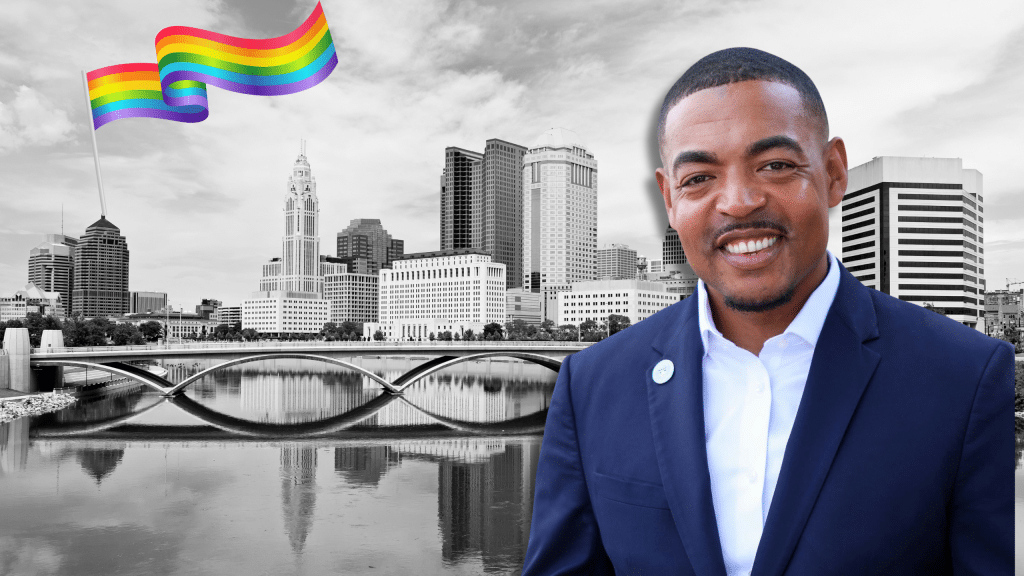
In May 2019, Lori Lightfoot made history as the first out LGBTQ+ mayor of Chicago. That same year, Shannon G. Hardin was in his second year as Columbus City Council’s president. And now, Hardin is ready to become Columbus’s first out gay mayor (and its second Black mayor).
Growing up, the South Columbus native didn’t initially think someone like him belonged in City Hall. Hardin credits his mother’s front-desk clerk job, a place he often visited as a “product of way too many “Take Your Child to Work Days,” for giving him an early glimpse into the rooms where Columbus’ biggest decisions were made downtown.
Hardin announced his mayoral run on Aug. 19, 2026. Days later, he and his community gathered to celebrate his entry into the race at his annual Hardin fish fry. Hardin, a Democrat, is running to unseat current Mayor Andrew Ginther, also a Democrat, who is running for his fourth term. While the current mayoral race in Columbus is nonpartisan, if another candidate from any party enters the race, a primary election will be held on May 4, 2027.
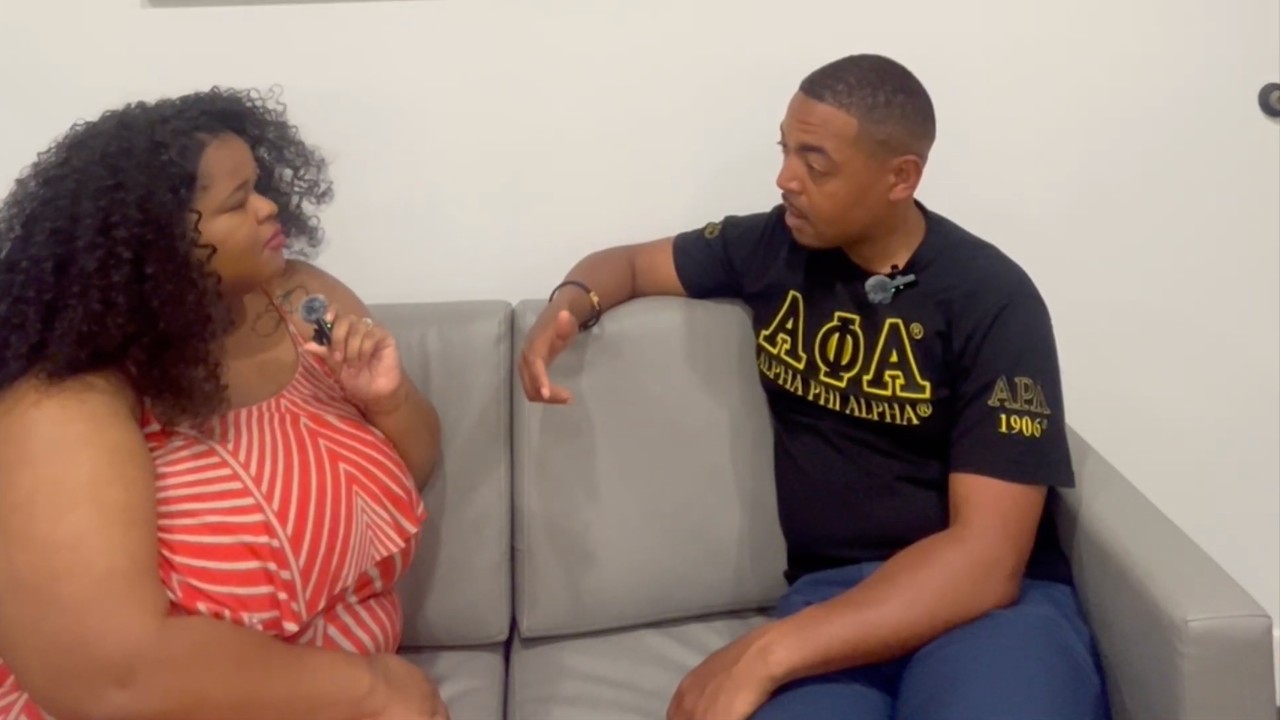
He insisted at the community gathering that the significance of his potentially historic win cannot stop at representation.
“We will make sure that it’s not just for history’s sake,” Hardin explained. “We may be the first, but we are working so that we won’t be the last. We’ll keep that door open, but as I said, it’s not about rhetoric about what we say; it’s about what we do and the policies that we will pass.”
Hardin has said his top campaign initiatives are to increase access to education, invest in childcare and keep schools open. These are issues many families, especially ones of color, have dealt with – while also navigating different circumstances if someone in the home identifies as LGBTQ+, as state and federal lawmakers have increasingly targeted queer people, particularly LGBTQ+ youth.
Hardin said he isn’t shying away from anti-LGBTQ+ policies at the Ohio Statehouse, which happen just right across the street from City Hall. Through his leadership, he wants LGBTQ+ youth and young adults to feel like Columbus is just as much for them as for their straight and cis counterparts.
“There is not a more important time right now in this state — and for the largest city in Ohio — that we say that we’re progressive, that we say that we have these values and that we have a representative who is a member of the LGBTQ+ community,” Hardin said. “Right now, there are babies that don’t know if they have a space in the state, and what I want folks to know, what I want my community to know, is that Columbus is yours. Not just to be here, but to thrive.”
Hardin added that, as mayor, he will stand up against the Statehouse’s anti-LGBTQ+ policies.
“We will push back, and we will fight back all of this hatred that is coming from the Statehouse and say, ‘No, that’s not who we are here in Columbus,’” he said. “We are inclusive, and not inclusive for the sake of just having people at the table.”
Making LGBTQ+ leadership the “base level” in Columbus
Hardin’s answer to what an out LGBTQ+, Black mayor would change for the city’s LGBTQ+ community goes back to the same theme: queer people having a decision in issues particularly affecting them.
In July 2025, under his sponsorship, Columbus City Council unanimously approved the creation of the city’s first LGBTQ+ Affairs Commission. The commission was created to advise Mayor Andrew Ginther and City Council on LGBTQ+ issues and recommend policies related to health, safety, affordability, economic opportunity and other areas affecting queer residents.
Hardin said he sees the Commission as the beginning of the change he hopes to continue making in Columbus, including adding LGBTQ+ leadership to his team if elected.
“As mayor, I will make sure that that is just the base level,” he said of the Commission. “That is the foundation of what we will build. We will make sure that we have clear leadership in my administration, hoping to make sure that folks can see themselves in the policies that we make. Then we will ask folks to come and physically be part of what we are building to make sure that we are not guessing what we need to do to make sure that folks are represented, but that their voices are there to help build this thing.”
Hardin emphasized that transgender residents will especially have their voices heard. He shared that he deliberately chose to visit Glamazon Jayne Fashion & Footwear – a Columbus-based boutique catering to transgender women, owned by transgender resident Halo Koziuk and their mother, Janus – as one of his first stops on his campaign.
“I wanted to meet people where they are, where they feel the most safe and the most celebrated, and say, ‘This is how we start the campaign.’”
Safe, affordable housing is an LGBTQ+ issue
Hardin connected his broader campaign to the disparities many LGBTQ+ Columbus residents face as the city becomes increasingly expensive. While the recent economy under the Trump Administration has hit Columbus hard, as he explained, queer people in the city must also deal with discriminatory setbacks that result in them being unhoused.
“If the rest of the community catches a cold, our community catches the flu,” Hardin declared. “The impacts of not having enough affordable housing, the homelessness crisis that we see in the community, is compounded when you think about trans folks. That is compounded when you think about openly queer folks. And so, yes, we have a responsibility to make sure that they have safe spaces and a safe place to live, and that’s my commitment.”
He said his campaign will include working closely with LGBTQ+ organizations already doing the work in Columbus, such as Kaleidoscope Youth Center, as he has in his City Council positions. One of Ohio’s longest-running organizations serving LGBTQ+ youth, Kaleidoscope lost state funding for a housing program in 2025 after the Ohio Department of Health declined to renew a grant that had provided the center $227,000 over two years. Under Hardin and Councilmember Melissa Green’s leadership, Columbus City Council stepped in and approved $100,000 in funding.
If he becomes mayor, Hardin said his administration would ensure LGBTQ+ people have access to safe housing.
“We have a responsibility to make sure that they have safe spaces and a safe place to live,” Hardin said. “And that’s my commitment.”
Change must come to Columbus
Hardin’s possible election would create change in Columbus, whether the city is ready for it or not. Still, he’s admittedly not running exclusively on LGBTQ+ issues, with public education also being at the forefront of his campaign. However, Hardin argues that his experience as a Black, gay man from a working-class family deeply affects how he thinks about who gets a voice in Columbus’ future.
For LGBTQ+ residents, the question over the next year will be whether that lived experience translates into policy. Hardin promises that it will and that the change Columbus is seeking will come.
“I want people to be out,” he said. “I want them to be louder. I want them to be proud about who we are.” 🔥
IGNITE ACTION
- Learn more about Shannon Hardin’s campaign for Columbus mayor by visiting their site here.
- To register to vote or to check your voter eligibility status in the state of Ohio, click here.
Know an LGBTQ+ Ohio story we should cover? TELL US!
Submit a story!
Author

Related Articles
I worked for Rep. Marcy Kaptur. Now I am watching her attack my queer community for political points.
‘As a 27-year-old working journalist who challenges oppression and interrogates transphobia daily, I am embarrassed at Rep. Kaptur’s name on my resume.’

2025-26 Guide to Ohio’s LGBTQ+ Legislation (136th General Assembly)
To help you differentiate one bill from another, we have put together this easy-to-use reference guide to Ohio LGBTQ+ legislation.

Video Trump repeatedly pivots to anti-trans attacks in Ohio campaign rally
Despite rising costs of living for all Americans, Trump focused instead on the infinitesimal number of trans Americans in athletics.
