
Black Poets Fest in Columbus builds a home for Black artists – LGBTQ+ definitely included.
‘This space belongs to us, without confusion or apology.’
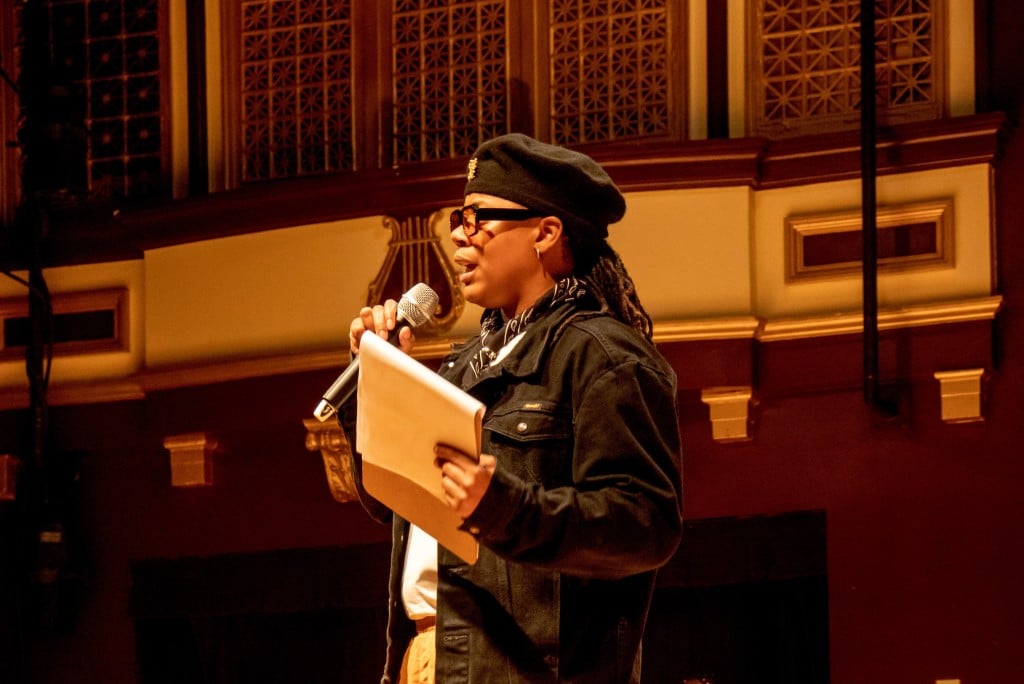
Jayaira Grhim-Harvey is creating space for Black poets meant creating more than a stage.
Better known on stage as Artistic Genius, Grhim-Harvey is a spoken-word poet , a visual artist and four-time published author from Youngstown, Ohio.
She is also the the founder and host of Say Word Wednesdays, a Columbus-based poetry showcase rooted in raw expression, healing and community and is now adding Black Poets Fest to her list of community engagement through art.
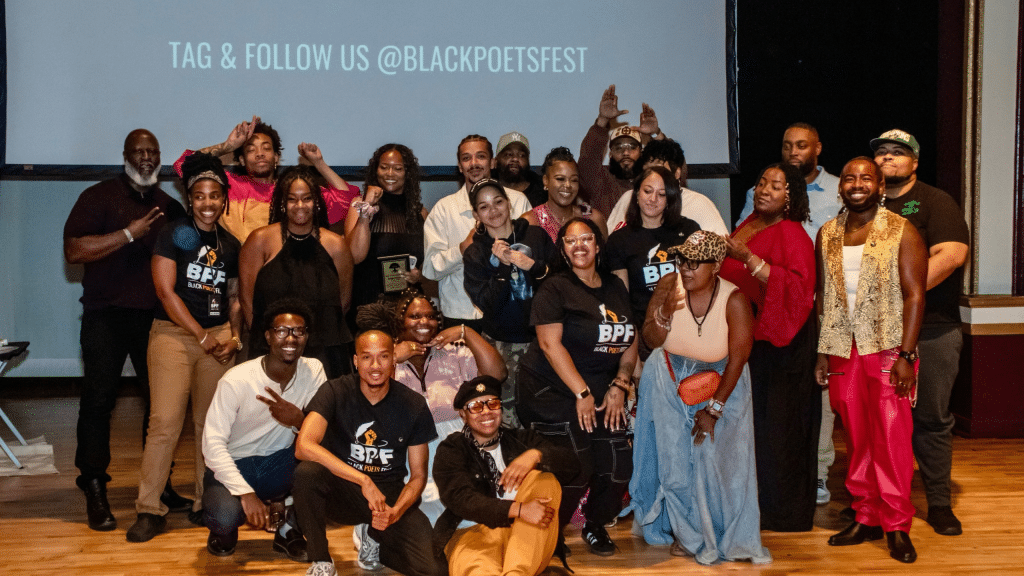
Ghrim-Harvey held the inaugural Black Poets Fest, this September 19th-20th at Maroon Culture Lab Columbus, OH . Black Poets fest is a Black-led, Midwest-centered festival designed to amplify, celebrate and invest in Black poets and Black poetry.
The two-day festival brought together emerging and established poets, curators, entrepreneurs and community members through live performances, writing workshops, panel discussions, youth programming, live art, music and a marketplace featuring Black-owned businesses.
“I wanted to build a movement that intentionally provides Black poets with representation, recognition, visibility, and paid opportunities,” she said.
The festival’s name in itself is intentional, Grhim-Harvey mentioned. Its purpose is clear: Black poets are at the center.
“I wanted Black poets to feel that this space belongs to us, without confusion or apology,” she declared.
For Grhim-Harvey, that sense of belonging is deeply informed by her own experience as a Black, masculine-presenting lesbian. Her identities shape not only what she writes about, but how she understands and navigates visibility, leadership and community within creative spaces.
Seen First, Then the Work Speaks
Identity politics is largely centered in Grhim-Harvey’s art. Her poetry explores resistance, resilience, Black empowerment, identity, grief and healing, often pulling from her experiences maneuvering through the world as a Black lesbian. She believes that identity can also shape how others perceive her, particularly when she steps into leadership.
“Sometimes, people may question whether I can lead or connect with individuals outside of the LGBTQ+ community simply because of how I present or identify,” she said.
Those experiences absolutely inform the way she organizes.
“Both my race and sexuality have taught me the importance of living, creating and organizing in my truth, regardless of how others may feel about it,” she said.
That commitment to healing and connection also extends beyond her poetry. An Air Force veteran and Ohio State University graduate, Grhim-Harvey holds a Bachelor of Science in social work and is pursuing a Master of Social Work, with plans to become a clinical art therapist. Her work brings together poetry, visual art and advocacy, with a focus on creating spaces for healing, connection and social change.
That philosophy is mirrored in the kind of environment she hopes Black Poets Fest manifests: one where Black poets can be themselves, fully.
“Black poets do not have to censor themselves, minimize their experiences or make their art more comfortable for others,” Grhim-Harvey said. “We can be loud, honest and proud about who we are.”

She does not believe she needs to announce her identities before entering a room.
“I do not have to step onto a stage and announce that I am Black and a lesbian,” she said. “I am seen first, and then my work speaks for me.”
More Than a Poetry Festival
Black Poets’ Fest first gathering drew more than 250 people throughout the weekend, with programming that extended well beyond poetry readings and workshops. One of the highlights for Grhim-Harvey was a marketplace featuring 40 Black-owned businesses, demonstrating the festival’s potential to support entrepreneurs and creatives alongside poets.
A panel, “Curating Community: Black Curators Building Community,” brought together Black curators from creative organizations and platforms to discuss how they build and sustain communities.
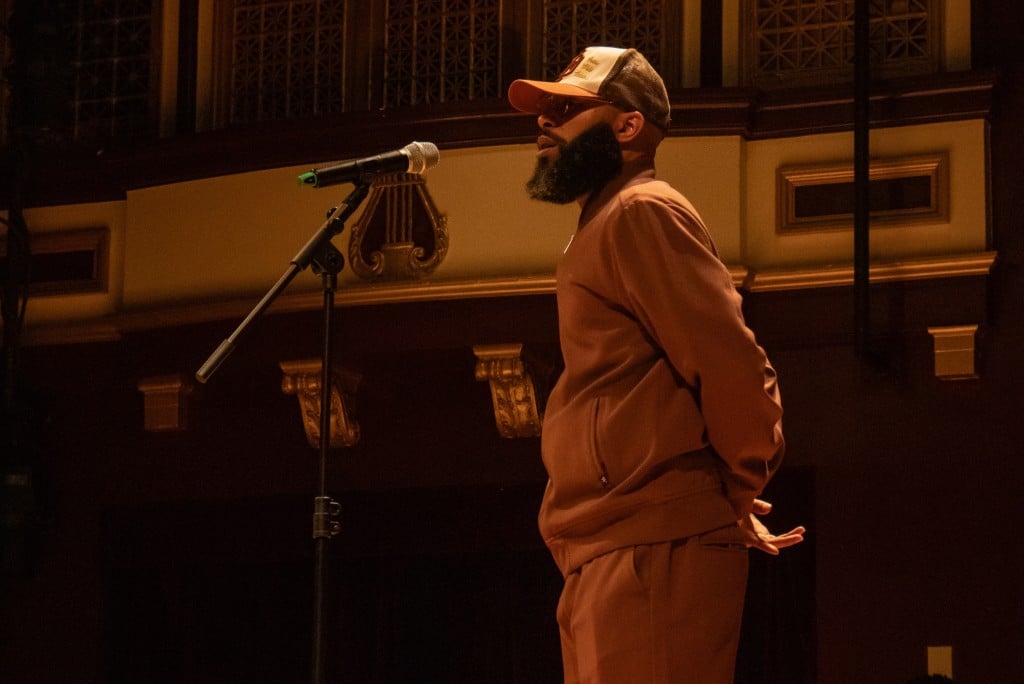
The festival also featured live poetry performances and the Black Poets Fund recognition segment, which honored poetry-event curators from across the Midwest.
The Black Poets Fund is another part of Grhim-Harvey’s vision. Through the initiative, Black-led poetry platforms throughout the Midwest would receive micro-sponsorships to support their programming. Rather than viewing Black Poets Fest as a single event, Grhim-Harvey is building an ecosystem around Black poetry.
Young Black Voices, the festival’s second day of programming, brought that investment to younger participants. The programming included a marketplace for young entrepreneurs as well as opportunities for young people to learn about writing and performing poetry.
Grhim-Harvey said watching young people share their creativity was a meaningful way to close the festival.
Building an Poetic Ecosystem
Now, she wants to expand that work.
Black Poets Fest plans to grow its attendance by another 100 to 200 people next year and build relationships with poets, organizations and communities in additional Midwestern states. Grhim-Harvey also hopes to transition the festival into a 501(c)(3) nonprofit organization and secure additional funding to strengthen the event and create more paid opportunities for artists.
She wants to make it lasting.
Ultimately, Grhim-Harvey envisions Black Poets Fest as a Midwest institution where Black poets, including those whose identities have historically been pushed to the margins of creative spaces, can find visibility, community and meaningful investment.
“I want Black Poets Fest to grow into a lasting Midwest institution where Black poets are consistently seen, supported, compensated and celebrated,” she said. 🔥
IGNITE ACTION
- Give Black Poets Fest a follow on their Instagram here.
Know an LGBTQ+ Ohio story we should cover? TELL US!
Submit a story!
Author

Related Articles
Black, Out, and Proud to host Melanated Health Forum centering Black LGBTQ+ health and wellness
Melanated Health Forum makes room for uncensored wellness conversations for Black LGBTQ+ people in Columbus
Pump The Beat!: Ohio’s ballroom scene as a queer community haven
For many people in the scene, ballroom is the foundation for their social and personal lives, and keeps many folx healthy, happy and safe.
A Gospel of Their Own: How BIPOC LGBTQ+ Ohioans are navigating faith spaces
The church can be a source of deep pain, while the faith, music and spiritual traditions formed there can remain deeply meaningful.
