
Ohio’s laws criminalize people living with HIV. This org is doing everything they can to change that.
From education to advocacy, Caracole in Cincinnati is wielding every tool at their disposal to help end the HIV epidemic.

Adam Reilly knows he is a squeaky wheel. But he’s more than ok with that role if it means moving one step closer to ending the HIV epidemic.
“There will be people in a room saying, “You know, I keep hearing about HIV from this guy in Cincinnati who won’t shut the hell up,” Reilly said. “But if hounding people starts a conversation, that’s what I’m here to do.”
Reilly is the associate director of prevention for Caracole, a Cincinnati-based AIDS service organization that takes a holistic approach to improving the lives of people with HIV – not only providing testing and counseling, but also advocating at the state local level to change outdated laws and making sure clients are well-informed about hurdles to safety in daily living. Among Ohio HIV/AIDs organizations, Caracole has taken an uncommon approach that is getting results–training its caseworkers to incorporate information on HIV criminalization into initial dialogues with clients receiving a positive diagnosis.
“We are not going to end the HIV epidemic as long as HIV is criminalized,” Reilly said. “These laws that criminalize people living with HIV are one of the top drivers of stigma, and it is stigma that is preventing the community from getting tested or accessing HIV care.”
Having worked in HIV prevention for close to two decades, Reilly said he hears the same misconceptions about HIV and AIDS that he heard 20 years ago – everything from misinformation about how the infection is transmitted (“definitely people who still think you can get it from kissing, which you can’t”), to the false belief that living with HIV is a death sentence, to outdated views of persons living with HIV (“that is an urban myth that casts people living with HIV as predators, which they are not”).
Outdated laws in Ohio
Complicating the HIV public health landscape in Ohio are the six laws that criminalize or substantially increase penalties for certain acts – including sex – for people living with HIV, compared to people who do not have the virus. These laws impose stiff penalties regardless of whether the virus is or can be transmitted. In some situations, the law also requires sex offender registration.
The laws were passed decades ago, during a time fueled by fear, without scientific understanding about how HIV is transmitted, and before advancements in HIV-related treatment were widely introduced. Two Ohio bills introduced in 2024 to modernize the laws did not make it past an initial hearing.
So the stigma persists.
“When people hear that there’s a criminalization of HIV, a lot of people just assume, ‘Well, there must be a good reason for it,’” Reilly said. “But we know that there is not.”
Until the laws change, Caracole is embracing as comprehensive an approach as possible to address Ohio’s criminalization and move closer to ending the HIV epidemic once and for all.
Education everywhere always
Informing a client that they have tested positive for HIV is a reliably fraught conversation. With HIV misinformation running as rampant as it did decades ago, Reilly said receiving a positive test result can cause a flood of overwhelming emotions, from despair to anger to helplessness.
It would be all too easy to avoid sharing the additional information that their new health status is criminalized in Ohio – and often, healthcare providers do avoid it.
“I unfortunately have never had the experience of having a conversation with somebody living with HIV about criminalization who said, ‘Yup, I already knew that,’” Reilly said. “This is just not a conversation that is happening with many primary care physicians, or even at other clinics.”
Caracole has trained its caseworkers to incorporate information on HIV criminalization into these initial dialogues with individuals receiving a positive diagnosis.
“We want them to be aware of this new risk that they didn’t have before so that they can be educated on how to protect themselves,” Reilly said.
This education includes covering the importance of sharing their status even if they are practicing safer sex, documenting that this disclosure has taken place and supporting clients in addressing the stigma they will doubtlessly experience.
“It’s hard enough sometimes having open discourse with a potential sex partner before you engage in sex, but now you add criminalization on top of that conversation and it gets so much more tough,” Reilly said. “It is not uncommon for someone to be doing the right thing and informing a potential sex partner about their status and be met with violence. This is information clients need to have.”
A key piece of this conversation is to let the client take the lead. Reilly said the goal of these conversations is for the client to understand the medical implications of testing positive and to connect them with care so that their viral load can become undetectable, thus making HIV untransmissable. He said that if people have questions about criminalization, the caseworker will go into as much depth as the client wants to go.
“But we don’t want to scare them,” Reilly said. “It is really delicate because we don’t wanna lose people to care because they got spooked and now won’t seek treatment, which is the worst thing for public health.”
This also means regularly training and educating caseworkers, so that they can navigate the range of emotions clients may experience when learning about the Ohio laws criminalizing living with HIV. Caracole staff gather several times a year on trainings and lunch-and-learns to stay up-to-date on the laws and to more generally support each other.
“Maybe someone has a client who said, ‘Well, I’m just never going to have sex again’ and another staff member might have suggestions on how to respond to that differently,” Reilly said. “We’re dealing with the human side of criminalization here, and that’s a lot to navigate without group support.”
Advocating for change
Caracole’s approach to addressing HIV decriminalization takes place not only on the individual client level, but also in various halls of power where the six outdated laws can be challenged.
Caracole is a member of the Ohio Health Modernization Movement, a coalition of organizations and individuals dedicated to modernizing outdated HIV Laws in Ohio. Reilly serves as Caracole’s representative on the coalition and serves on their legislative committee.
“That gets us connected to others throughout the state who are advocating for this community and helps build energy towards needed change,” he said.
Those changes include supporting a pair of bills introduced in 2024 that would have helped modernize the laws around HIV. Although neither bill made it past their first hearing, advocates say the introduction of the bills provided the opportunity to educate lawmakers and their staffs.
“These representatives are like everyone else, with the same stigmas and gaps in understanding,” Reilly said. “But this was a real area of optimism because we were able to sit down with lawmakers, provide some education, answer questions and see them come around to a shared understanding of where these laws fall short.”
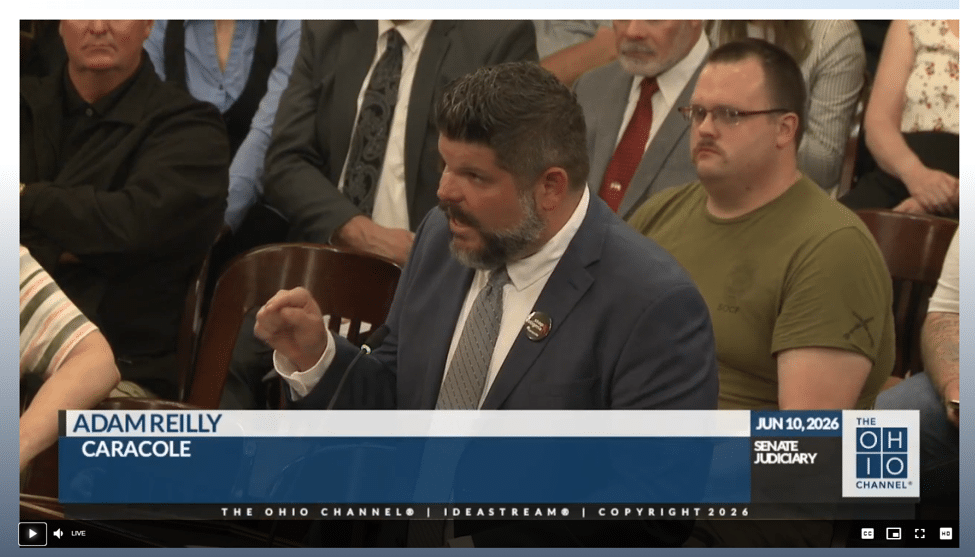
Advocacy for Caraole has also meant standing up to highlight where other laws intersect with the outdated HIV statutes. Reilly recently testified against Andy’s Law, a set of provisions that increase penalties for crimes committed against correctional officers. Those crimes included two of the six HIV criminalization laws.
“I do think testifying there was a success because the lawmakers heard us and we’re now working with members of the committee to make the needed amendments,” Reilly said.
Moving the needle
Caracole partners with Interact for Health, an independent foundation working to ensure people have an opportunity to live their healthiest lives, on a local policy change initiative. This allows Caracole staff to meet with local officials in Hamilton County – from mayors to prosecutors to sheriffs – to help create greater understanding of the outdated laws.
“We feel strongly that to really move the needle, we need our local officials to understand how these laws are impacting people in our community,” Reilly said. “This understanding will then lead to a lessening of stigma.”
Caracole also participates annually with AIDS Watch, the largest constituent-driven HIV federal advocacy event in the country. Although Reilly said it is empowering to be around so many change agents, it can also be frustrating given the Trump administration’s reversal on federal approach to HIV care.
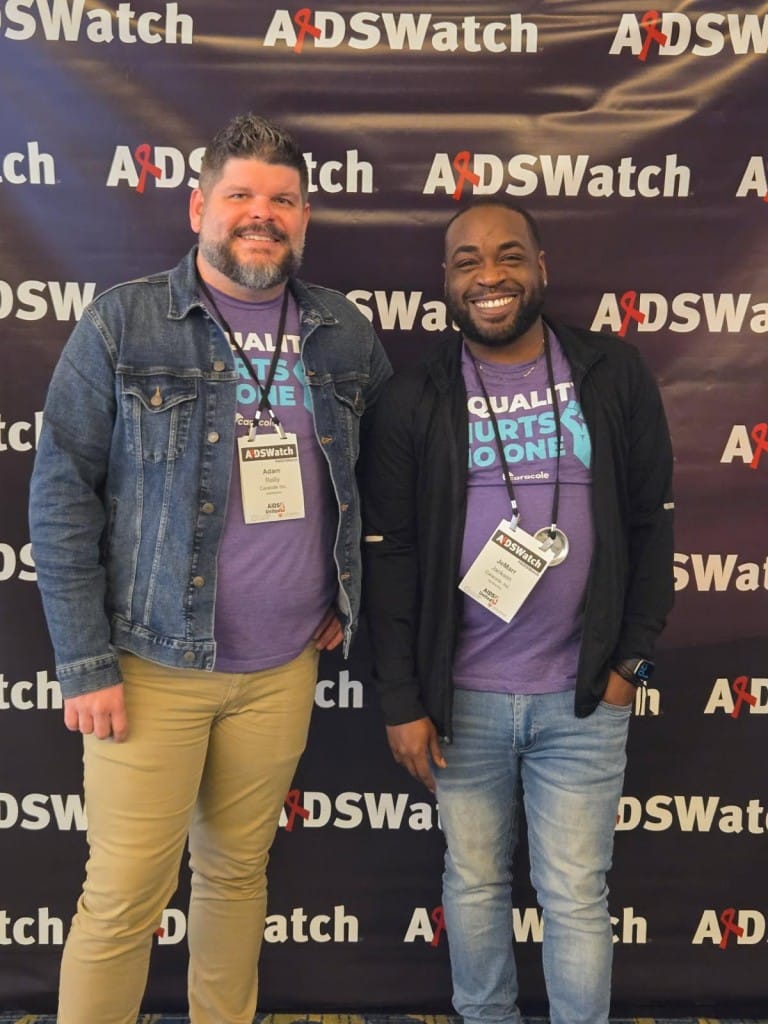
“The first time this administration was in office, they were the ones who put money behind ending the HIV epidemic,” he said. “Now they are actively putting up roadblocks to one of the few modern public health initiatives that actually was showing real progress.”
Still, Reilly sees hope that these laws can one day be changed. He points to three 2026 trainings that Caracole has organized where individuals living with HIV can learn how to channel their experience into advocacy. The turnout for the first two in February and May – there is still one to come in September — was more than Reilly has seen previously in his career for a community group.
“A lot of people are clearly looking for a way to engage and feel like they’re part of the solution,” he said.
Reilly’s advice to other organizations trying to reach the finish line of ending the HIV epidemic? Get as many people involved as possible.
“ This is a community-wide public health crisis that we’ve been dealing with for 40 years, and we finally have all the tools available to us to truly end it,” he said. “But that’s not going to happen if we don’t have all hands on deck.” 🔥
This work was supported by the 2026 CNP Media Fund.
IGNITE ACTION
- Learn more about Caracole by visiting their website here.
- Learn more about the Ohio Health Modernization Movement by visiting their website here.
Know an LGBTQ+ Ohio story we should cover? TELL US!
Submit a story!
Author

Related Articles
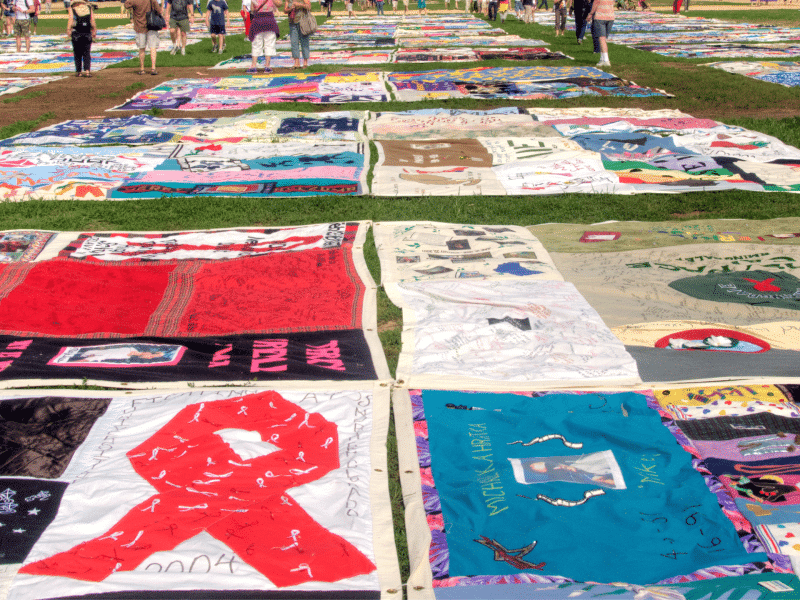
Six AIDS Memorial Quilt panels arrive in Dayton for ‘Wall Power’ exhibit
The panels are a powerful addition to the Art Institute’s ‘Spectacular Quilts’ show
HIV decriminalization supporters to hold first-ever Advocacy Day at Ohio Statehouse
Ohio still has six laws on the books that criminalize living with HIV. And the laws are actively enforced.

Audio This News is So Gay (8/26/26): Examining the Gap Between HIV Science & HIV Understanding
Featuring: Darian Aaron (GLAAD) and Jerrell Hardnett (GLAAD)
